Healthy Heart Gurgaon

Author name: drmonikmehta

Uncategorized

The Omega-3 Advantage: Fish Oil and Heart Wellness

Doctors rely on electrocardiograms (ECGs or EKGs) as an essential tool to assess heart rate and rhythm. Omega-3 fatty acids, those essential compounds often associated with fish oil, have gained considerable attention for their potential to nurture heart wellness. These unique fats aren’t just a supplement trend; they’re a cornerstone of heart-healthy diets, playing a pivotal role in reducing the risk of heart disease and enhancing overall cardiovascular health. Understanding the Power of Omega-3s Delving into Omega-3s Omega-3s, recognized as a type of unsaturated fatty acid, possess remarkable anti-inflammatory properties, an attribute highly valued by the best cardiologists in Gurgaon. This ability to combat inflammation is crucial, as chronic inflammation can detrimentally affect blood vessels, potentially leading to heart-related complications. Heart-Protective Benefits These incredible fatty acids exhibit several heart-protective benefits: Navigating the Sea of Choices Fatty Fish: The Omega-3 Powerhouses While all seafood offers nutritional benefits, fatty fish stand out for their rich omega-3 content. Fish like salmon, sardines, mackerel, and cod are among the top sources of these heart-boosting fatty acids. Quantity Matters The recommended intake of omega-3-rich fish, as advised by top cardiologists in Gurgaon, is at least two servings per week, or approximately 4 ounces per serving. However, certain groups, such as pregnant women or young children, should be mindful of the mercury content in fish and regulate their intake accordingly. Balancing Health Risks and Benefits The Mercury Debate Concerns about mercury contamination in fish have surfaced, yet for most adults, the advantages of omega-3 fatty acids outweigh the potential risks. Mercury concentrations vary among fish types, emphasizing the importance of making informed choices. Exploring Alternatives For those averse to seafood, alternative sources of omega-3s like flaxseed, walnuts, canola oil, and soybeans offer supplementary benefits, though they might not match the potency of fish-derived omega-3s. Seeking Clarity amidst Research Studies and Uncertainties The scientific landscape around omega-3s is continually evolving, prompting good cardiologists in Gurgaon to track ongoing studies. Some studies suggest a potential link between high omega-3 levels and prostate cancer, while others propose its preventive nature. Yet, conclusive evidence remains elusive, necessitating further investigation. Farm vs. Wild: An Ongoing Debate Concerns persist about the safety of farmed fish due to potential chemical usage. While studies indicate no significant harm, the debate continues on the health disparities between farm-raised and wild-caught fish. Fueling Heart Health Omega-3 fatty acids, particularly from fish oil, stand as a beacon of hope for nurturing heart health. Despite debates and ongoing research, their immense potential for preventing heart disease and fostering overall well-being remains undeniable.


Uncategorized

The Importance of the Initial Hour After a Heart Attack

Within the first hour of a heart attack lies a critical window called the “golden hour.” This timeframe holds immense significance, as it can potentially reverse the devastating effects of a heart attack. Understanding the Golden Hour This initial hour is pivotal, dictating the likelihood of survival and the quality-of-life post-heart attack. Time is of the essence; once blood supply to the heart stops, the heart muscle starts deteriorating within 80–90 minutes. Swiftly restoring normal blood flow is crucial to minimizing irreparable damage. Seeking immediate care from the best cardiologist in Gurgaon can significantly impact the outcome, potentially preventing long-term complications and ensuring optimal recovery. Reducing Damage and Saving Lives Getting to the hospital promptly is paramount. Alongside heart muscle damage, abnormal heart rhythms like ventricular tachycardia or fibrillation pose severe threats. Upon reaching medical care, immediate monitoring via an ECG helps identify irregular heart rhythms, enabling prompt treatment such as cardioversion or specific medications. Recognizing Symptoms and Taking Action Recognizing warning signs is key: Reacting promptly by seeking medical aid, calling for help, and reaching the hospital without delay can significantly impact the outcome. Addressing the Issue: Clot Dissolution and Treatment A heart attack occurs when a clot obstructs a heart blood vessel. Swift clot removal is vital to prevent heart muscle death. Taking an aspirin at the onset of symptoms aids in clot dissolution. Thereafter immediately contact the top cardiologist in Gurgaon. Upon hospital arrival, treatments such as thrombolytic medication or primary angioplasty, which includes inserting a stent to restore blood flow, are employed. Preparedness and Prevention Being prepared is crucial: Prevention is key: Immediate Response: When Someone Collapses Act swiftly: The initial hour after a heart attack can redefine outcomes. Recognizing symptoms promptly, taking swift action, and having access to informed medical care play pivotal roles in determining survival rates and reducing long-term complications. Being under the care of a skilled and good cardiologist in Gurgaon is crucial, as their expertise ensures timely intervention and specialized treatment, significantly improving the potential for a positive recovery following a heart attack.

Uncategorized

Can Chocolate Reduce Your Risk of Stroke and Heart Disease?

When it comes to our health, we often hear the advice to steer clear of indulgent treats, especially when we’re looking out for our heart and arteries. However, what if we told you that one of the most beloved delights in the world, chocolate, might actually offer some surprising health benefits? In this article, we’ll delve into the sweet and tantalising world of chocolate and explore whether it can reduce your risk of stroke and heart disease. The Chocolate Conundrum Chocolate, derived from cacao beans, has a history dating back centuries. Its consumption has evolved from a bitter, ceremonial drink to the delectable treat we know today. The main components of chocolate are cacao solids, cacao butter, and sugar, with variations in ingredients and processing giving rise to different types and flavours. Dark chocolate, in particular, has garnered attention for its potential health benefits. It contains higher cacao solids and less sugar compared to milk chocolate, making it a promising candidate for health-conscious individuals. For those seeking to maintain a healthy lifestyle, it’s crucial to understand the value of dark chocolate alongside factors like the guidance of a heart specialist doctor in Gurgaon. The Power of Cocoa Cocoa, the primary ingredient in chocolate, is rich in compounds called flavonoids. These potent antioxidants offer a range of health advantages. One of the most significant benefits of flavonoids is their ability to improve cardiovascular health. Flavonoids and Heart Health Flavonoids, specifically flavanols, found in cocoa have been associated with numerous cardiovascular benefits. They can help: Chocolate and Stroke Prevention Now, let’s explore the connection between chocolate consumption and stroke risk. Stroke is a severe medical condition characterized by the sudden loss of blood flow to the brain. It can result from a variety of factors, including high blood pressure and blood clot formation. Research indicates that cocoa’s flavonoids may play a role in stroke prevention. Reducing Blood Pressure As mentioned earlier, flavonoids in cocoa have a blood pressure-lowering effect. High blood pressure is a significant risk factor for stroke, and by incorporating dark chocolate into your diet, you may help manage your blood pressure and, in turn, reduce the risk of stroke. However, it’s important to note that any dietary changes, including the consumption of dark chocolate, should be made under the guidance of a qualified healthcare professional, such as a heart doctor in Gurgaon. Preventing Blood Clots Blood clots can obstruct blood vessels, leading to reduced blood flow and, in some cases, causing strokes. Some studies have suggested that the antiplatelet effects of cocoa may help prevent the formation of these dangerous clots, further reducing the risk of stroke. The Fine Print: Moderation and Quality Matter Before you rush to stock up on dark chocolate, it’s essential to understand that not all chocolate is created equal. To harness the potential health benefits, it’s crucial to consider a few key points: Delicious Defence Can chocolate reduce your risk of stroke and heart disease? While the consumption of dark chocolate, rich in flavonoids, appears to offer some potential health benefits, it should be viewed as part of a broader strategy for maintaining cardiovascular health. Incorporating moderate amounts of high-quality dark chocolate into a balanced diet can be a delicious way to support your heart. However, it’s crucial to emphasize that any dietary choices, including the inclusion of dark chocolate, should be discussed with a healthcare professional like Dr. Monik Mehta, who can provide personalized guidance and recommendations tailored to your specific health needs. Remember, while chocolate may have its merits, overall lifestyle choices, such as a heart-healthy diet, regular exercise, and stress management, are equally important in reducing your risk of stroke and heart disease. If you’re considering adding dark chocolate to your diet, consult with a healthcare professional to ensure it aligns with your specific health goals and needs. So, indulge in a square of dark chocolate occasionally, but always remember that a holistic approach to heart health is the key to a long and vibrant life.

Uncategorized

How hypertension impacts the risk of heart disease and diabetes

It is important for individuals with hypertension to manage their blood pressure through lifestyle modifications and, if necessary, medication. This can help reduce the risk of developing heart disease and diabetes, as well as other complications associated with hypertension. The link between hypertension, heart disease, and diabetes is complex and multifactorial, but there are several mechanisms that may contribute to this relationship. High blood pressure can cause damage to the walls of blood vessels, making them more susceptible to plaque build-up and narrowing. This can lead to reduced blood flow to the heart and other organs, increasing the risk of heart disease and organ damage. High blood pressure can also contribute to the development of insulin resistance, which can lead to the development of type 2 diabetes. We can cure this with a heart specialist in Gurgaon. Diabetes and hypertension complications Complications of Diabetes: Complications of Hypertension: How is hypertension a risk factor for heart disease? Hypertension, or high blood pressure, is a major risk factor for heart disease. When blood pressure is consistently high, it places additional strain on the heart and blood vessels over time, which can lead to several changes that increase the risk of heart disease. Here are some of the ways hypertension can contribute to heart disease: How does hypertension increase the risk of diabetes? Reduce the risk of getting heart disease and diabetes. Reducing your risk of developing heart disease and diabetes by Monik Mehta These are two of the most common chronic conditions in the world and can have serious consequences if left untreated. Here are some reasons why it is important to reduce your risk of developing these conditions: Prevention of complications: heart disease and diabetes can both lead to a variety of complications, many of which are related to damage to blood vessels and organs over time. These complications can be life-threatening and include heart attacks, strokes, kidney disease, nerve damage, eye damage, and foot problems. Improved quality of life: Living with heart disease and diabetes can impact your daily life and limit your ability to do the things you enjoy. By reducing your risk of developing these conditions, you can improve your quality of life and maintain your independence. Lower healthcare costs: Managing heart disease and diabetes can be expensive, and the costs associated with complications can be even higher. By reducing your risk of developing these conditions, you can potentially save money on healthcare costs in the long run. Longer life expectancy: Heart Disease and diabetes can both shorten your life expectancy. By reducing your risk of developing these conditions, you can increase your chances of living a longer, healthier life. Cessation In conclusion, hypertension is a significant risk factor for both heart disease and diabetes. Hypertension can cause damage to blood vessels and organs over time, leading to inflammation, oxidative stress, and other changes that increase the risk of developing these conditions. Additionally, hypertension can contribute to insulin resistance, hormonal imbalances, and other risk factors for diabetes. We can cure all these problems with the help of the best Cardiologist in Gurgaon and a Heart Specialist in Gurgaon.

Uncategorized

Clear Vision, Strong Heart: The Surprising Link Between Eye and Heart Health

When it comes to our overall well-being, we often place a significant emphasis on heart health, monitoring cholesterol levels, managing blood pressure, and making lifestyle choices that support a strong cardiovascular system. In this pursuit, we may sometimes overlook a crucial connection that impacts our health—the intricate relationship between our heart and our eyes. Recent research has illuminated the profound influence that the condition of our cardiovascular system can have on our vision, shedding light on the shared risk factors, conditions, and proactive measures that can help us maintain optimal health for both our heart and our eyes. If you’re looking for a heart specialist in Gurgaon, understanding this connection is crucial. Shared Risk Factors that Bind the Heart and Eyes Conditions Shared between Heart and Eye Health Taking Proactive Steps for a Healthier Heart and Clearer Vision In Conclusion The connection between heart health and eye health is a vital consideration that should not be underestimated. Shared risk factors, conditions, and preventive measures underscore the intricate relationship between these two essential organs. By giving precedence to heart health through a healthy lifestyle, regular check-ups, and effective disease management, we can enhance not only our cardiovascular system but also safeguard our precious vision. At Healthy Hearts Gurgaon, the heart specialist hospital in gurgaon, we recognize the significance of this connection and offer specialized care that encompasses comprehensive well-being. Take the first step toward a healthier future by reaching out to Healthy Hearts Gurgaon today. Ready to prioritize your heart and eye health? Contact Healthy Hearts Gurgaon today for specialized care that focuses on comprehensive well-being. Take control of your health and embark on a journey towards a heart-healthy life with clear vision. Let’s work together to establish a path towards enduring wellness.

Uncategorized

Healthy Heart, Happy Life: Selecting the Best Heart Specialist in Gurgaon

When it comes to cardiac health, Gurgaon, a thriving city in Haryana, India, stands out for its cutting-edge medical facilities and a roster of top-tier healthcare professionals. In the pursuit of exceptional cardiac care, it’s crucial to find the right cardiologist. In this article, we will delve into the key considerations to keep in mind while searching for the best heart specialist in gurgaon, ensuring that your heart receives the expert care it truly deserves. Expertise and Qualifications The foremost aspect to consider when selecting a cardiologist is their expertise and qualifications. Look for doctors who specialize in cardiology and boast a wealth of experience in treating a wide array of heart conditions. Scrutinize their credentials, including educational background, certifications, affiliations with esteemed institutions, and any specialized training they’ve undergone. The finest cardiologists in Gurgaon are often affiliated with prestigious hospitals and possess a commendable track record of successful treatments. Building Reputation and Patient Feedback The significance of word-of-mouth recommendations and patient reviews cannot be overstated when assessing a cardiologist’s quality. Seek referrals from trusted sources like friends, family, or respected healthcare professionals within Gurgaon. Additionally, dedicate time to research online reviews and testimonials from previous patients. Pay attention to the doctor’s overall reputation, their approach to patient care, and the outcomes of their treatments. Opt for cardiologists who consistently receive glowing feedback for their expertise, compassion, and successful results. Cutting-Edge Diagnostic Facilities A dependable cardiologist should have access to state-of-the-art diagnostic facilities to provide precise cardiac condition diagnoses. Ask whether they offer advanced diagnostic tests, including electrocardiograms (ECGs), echocardiograms, stress tests, cardiac catheterization, and cutting-edge cardiac imaging techniques. The ability to perform and interpret these tests in-house guarantees prompt and accurate diagnoses, paving the way for tailored treatment plans. Embracing a Multidisciplinary Approach Cardiac care often necessitates a multidisciplinary approach involving collaboration among various medical specialists. Seek out the best heart doctor in gurgaon who work closely with other healthcare professionals, including cardiac surgeons, interventional cardiologists, electrophysiologists, and cardiac rehabilitation experts. This collaborative approach ensures comprehensive care and the ability to provide a spectrum of treatment options tailored to your specific needs. Compassionate and Patient-Centric Care The best cardiologists aren’t just highly skilled; they also exhibit empathy and a patient-centric approach. Choose a doctor who takes the time to attentively listen to your concerns, explains treatment options in a clear and understandable manner, and actively involves you in the decision-making process. A patient-centric approach fosters a strong doctor-patient relationship, leading to trust, enhanced compliance, and improved treatment outcomes. Ensuring Continuity of Care Many heart conditions require long-term management and follow-up care. Therefore, it’s imperative to select a cardiologist who offers continuity of care. Inquire about the availability of follow-up appointments, ongoing monitoring, and the capacity to address any concerns or complications that may arise. A cardiologist who is dedicated to your well-being beyond the initial treatment phase ensures a seamless and comprehensive approach to your cardiac health. Your Cardiologist, Your Lifeline When it comes to matters of the heart, choosing the ideal cardiologist in Gurgaon like Dr. Monik Mehta at the Best Heart Hospital in Gurgaon, is paramount for your well-being. By considering factors such as expertise, reputation, diagnostic facilities, a multidisciplinary approach, compassionate care, and continuity of care, you can confidently make an informed decision about the cardiologist who is the best fit for you. Remember, a healthy heart is the gateway to a fulfilling life, and entrusting it to the hands of a skilled and caring specialist is the first step towards maintaining optimal cardiac health.

Uncategorized

Diabetes and Heart Health: Exploring the Relationship and Lowering Risks

The link between diabetes and heart health is undeniable and significant. Individuals with diabetes face a heightened risk, two to four times higher, of developing heart disease compared to those without diabetes. This elevated risk is attributed to the detrimental effects of high blood sugar levels on blood vessels and the nerves that regulate the heart’s functions. Over time, these effects can culminate in heart disease, stroke, and other severe health complications. The best cardiologist in gurgaon consistently advocates for lifestyle modifications to mitigate diabetes’s impact on various organs, especially the heart. Understanding the Diabetes-Heart Health Connection Let’s delve deeper into the intricate relationship between diabetes and heart disease. Lifestyle Modifications for Diabetics to Reduce Heart Disease Risk For individuals living with diabetes, adopting specific lifestyle changes can significantly manage the condition and bolster overall health. These modifications encompass: Additional Tips for Managing Diabetes Here are some supplementary tips for effective diabetes management: Remember, nobody dies of diabetes per se but it is through its negative on our heart health that the major conern should be there. Therefore in diabetes always first and always look at heart health. Thus  it’s crucial to stay connected with a cardiologist to discuss your cardio health, especially if you or a loved one is grappling with diabetes. Professional medical advice can help manage the disease and reduce its impact on overall well-being. Diabetes is manageable, and with proper care, individuals can lead long and healthy lives. For more insights on diabetes and lifestyle disorders, explore our blog page, featuring accurate medical content from experts at the heart specialist hospital in gurgaon. You can also reach out for a consultation with our experienced diabetes doctors to receive personalized guidance and care. Your journey towards better health and diabetes management begins with informed choices and professional support. The link between diabetes and heart health is undeniable and significant. Individuals with diabetes face a heightened risk, two to four times higher, of developing heart disease compared to those without diabetes. This elevated risk is attributed to the detrimental effects of high blood sugar levels on blood vessels and the nerves that regulate the heart’s functions. Over time, these effects can culminate in heart disease, stroke, and other severe health complications. The best cardiologist in gurgaon consistently advocates for lifestyle modifications to mitigate diabetes’s impact on various organs, especially the heart. Understanding the Diabetes-Heart Health Connection Let’s delve deeper into the intricate relationship between diabetes and heart disease. Lifestyle Modifications for Diabetics to Reduce Heart Disease Risk For individuals living with diabetes, adopting specific lifestyle changes can significantly manage the condition and bolster overall health. These modifications encompass: Additional Tips for Managing Diabetes Here are some supplementary tips for effective diabetes management: Remember, nobody dies of diabetes per se but it is through its negative on our heart health that the major conern should be there. Therefore in diabetes always first and always look at heart health. Thus  it’s crucial to stay connected with a cardiologist to discuss your cardio health, especially if you or a loved one is grappling with diabetes. Professional medical advice can help manage the disease and reduce its impact on overall well-being. Diabetes is manageable, and with proper care, individuals can lead long and healthy lives. For more insights on diabetes and lifestyle disorders, explore our blog page, featuring accurate medical content from experts at the heart specialist hospital in gurgaon. You can also reach out for a consultation with our experienced diabetes doctors to receive personalized guidance and care. Your journey towards better health and diabetes management begins with informed choices and professional support.

Uncategorized

Warning Signs of Cardiac Issues in Children and Teens

When it comes to the health of our children and teenagers, concerns about heart issues might not be at the forefront of our minds. However, while cardiac problems are relatively uncommon in this age group, they can have far-reaching implications if left undetected and untreated. Being aware of the potential warning signs of cardiac issues in children and teens is crucial for safeguarding their overall well-being and preventing potential complications. If you’re in Gurgaon or the surrounding area and seeking the best heart hospital in Gurgaon, you can ensure that your child receives the highest quality care from experienced specialists. Common cardiac issues in children and teens Congenital Heart Defects: Congenital heart defects, which are structural abnormalities present at birth, are among the most prevalent types of issues in young individuals. These conditions can significantly impact the heart’s functionality and overall health. One of the most common types of congenital heart defects is an atrial septal defect (ASD), characterized by a hole in the wall separating the heart’s upper chambers. Similarly, a ventricular septal defect (VSD) involves a hole in the wall separating the heart’s lower chambers. Another complex condition is tetralogy of Fallot, which encompasses multiple defects affecting blood flow within the heart. If you suspect any of these conditions in your child, it’s essential to consult with the best heart specialist in Gurgaon or your preferred area for an accurate diagnosis and personalized treatment options. Early intervention and guidance from a qualified specialist can make a significant difference in your child’s cardiac health and overall well-being. Arrhythmias: While arrhythmias are relatively rare in children and teenagers, they are irregular heart rhythms that should not be dismissed lightly. These disruptions in the heart’s normal rhythm can have serious implications for overall heart function. Two primary types of arrhythmias include bradycardia, characterized by an abnormally slow heart rate, and tachycardia, which involves an abnormally fast heart rate. Recognizing the Warning Signs General Symptoms: Certain symptoms may serve as red flags for underlying cardiac issues in young individuals. Specific Symptoms: Some symptoms are more specific to cardiac problems and should be taken seriously. The Importance of Timely Action Mild Symptoms: Even mild symptoms should not be taken lightly, as they could be early indicators of an underlying cardiac problem. If your child experiences persistent fatigue or unexplained shortness of breath, it’s advisable to consult a paediatrician. Regular check-ups play a vital role in identifying subtle changes in health that might otherwise go unnoticed. Severe Symptoms: Certain symptoms demand immediate attention to prevent potential complications. If your child suddenly faints, experiences chest pain, or has difficulty breathing, seeking emergency medical care is crucial. Quick action can make a significant difference in treatment outcomes and long-term health. Lifestyle and Prevention Empowering Parents and Caregivers Parents play a vital role in observing and communicating with their children about symptoms. Being attentive to any changes in their behavior, energy levels, or overall health can help identify potential issues. Open communication with children about the importance of sharing any discomfort or unusual sensations can encourage early detection and seeking medical help. Empowering parents with knowledge about warning signs and the significance of regular check-ups equips them to take proactive steps in safeguarding their children’s heart health. Nurturing Youth Cardiac Health While cardiac issues are less prevalent in children and teenagers, they should not be overlooked. Recognizing the warning signs and seeking timely medical attention from a skilled cardiologist in Gurgaon can make a significant difference in the health and well-being of young individuals. From congenital heart defects to arrhythmias, understanding the symptoms and treatment options empowers parents, caregivers, and healthcare providers to provide the best care possible. By prioritizing heart health and early intervention, we can ensure a brighter and healthier future for our children and teens.

Uncategorized

Listening to your Heart : Silent Heart Attacks – Signs, Risks, Precautions and Actions

The link between diabetes and heart health is undeniable and significant. Individuals with diabetes face a heightened risk, two to four times higher, of developing heart disease compared to those without diabetes. This elevated risk is attributed to the detrimental effects of high blood sugar levels on blood vessels and the nerves that regulate the heart’s functions. Over time, these effects can culminate in heart disease, stroke, and other severe health complications. The best cardiologist in gurgaon consistently advocates for lifestyle modifications to mitigate diabetes’s impact on various organs, especially the heart. Understanding the Diabetes-Heart Health Connection Let’s delve deeper into the intricate relationship between diabetes and heart disease. Lifestyle Modifications for Diabetics to Reduce Heart Disease Risk For individuals living with diabetes, adopting specific lifestyle changes can significantly manage the condition and bolster overall health. These modifications encompass: Additional Tips for Managing Diabetes Here are some supplementary tips for effective diabetes management: Remember, nobody dies of diabetes per se but it is through its negative on our heart health that the major conern should be there. Therefore in diabetes always first and always look at heart health. Thus  it’s crucial to stay connected with a cardiologist to discuss your cardio health, especially if you or a loved one is grappling with diabetes. Professional medical advice can help manage the disease and reduce its impact on overall well-being. Diabetes is manageable, and with proper care, individuals can lead long and healthy lives. For more insights on diabetes and lifestyle disorders, explore our blog page, featuring accurate medical content from experts at the heart specialist hospital in gurgaon. You can also reach out for a consultation with our experienced diabetes doctors to receive personalized guidance and care. Your journey towards better health and diabetes management begins with informed choices and professional support. The link between diabetes and heart health is undeniable and significant. Individuals with diabetes face a heightened risk, two to four times higher, of developing heart disease compared to those without diabetes. This elevated risk is attributed to the detrimental effects of high blood sugar levels on blood vessels and the nerves that regulate the heart’s functions. Over time, these effects can culminate in heart disease, stroke, and other severe health complications. The best cardiologist in gurgaon consistently advocates for lifestyle modifications to mitigate diabetes’s impact on various organs, especially the heart. Understanding the Diabetes-Heart Health Connection Let’s delve deeper into the intricate relationship between diabetes and heart disease. Lifestyle Modifications for Diabetics to Reduce Heart Disease Risk For individuals living with diabetes, adopting specific lifestyle changes can significantly manage the condition and bolster overall health. These modifications encompass: Additional Tips for Managing Diabetes Here are some supplementary tips for effective diabetes management: Remember, nobody dies of diabetes per se but it is through its negative on our heart health that the major conern should be there. Therefore in diabetes always first and always look at heart health. Thus  it’s crucial to stay connected with a cardiologist to discuss your cardio health, especially if you or a loved one is grappling with diabetes. Professional medical advice can help manage the disease and reduce its impact on overall well-being. Diabetes is manageable, and with proper care, individuals can lead long and healthy lives. For more insights on diabetes and lifestyle disorders, explore our blog page, featuring accurate medical content from experts at the heart specialist hospital in gurgaon. You can also reach out for a consultation with our experienced diabetes doctors to receive personalized guidance and care. Your journey towards better health and diabetes management begins with informed choices and professional support.

Uncategorized

TAVR: A Lifeline for Those in Need of Heart Repair

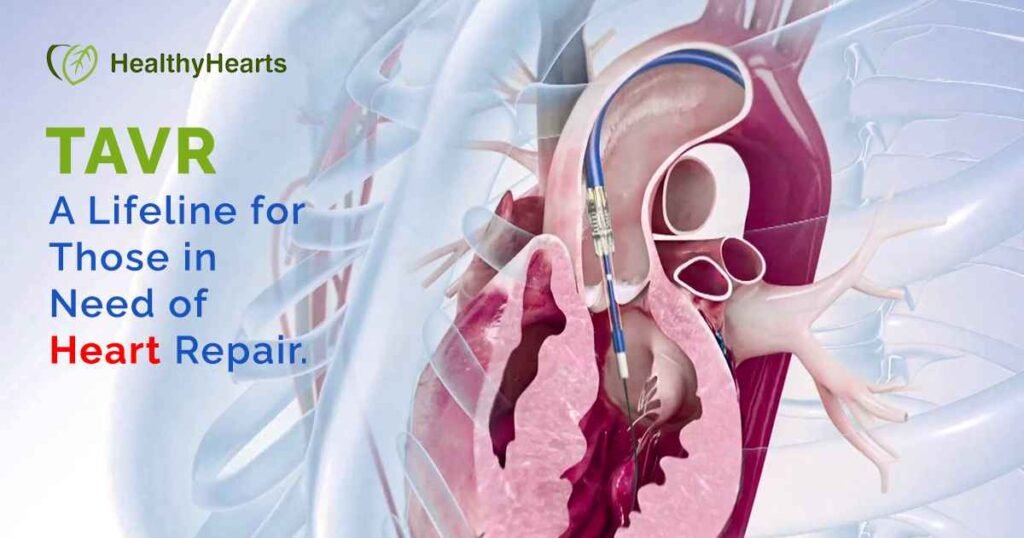
Medical advancements in the field of cardiovascular care have brought about a revolution, instilling hope and enhancing outcomes for individuals requiring heart repair. Among these groundbreaking procedures is Transcatheter Aortic Valve Replacement (TAVR), a minimally invasive technique that serves as a lifeline for patients who are unsuitable candidates for conventional open-heart surgery. Let’s explore the realm of TAVR, examining its advantages, procedure, and the profound impact it has on the lives of those who have undergone this life-saving treatment, including finding a reputable heart doctor in Gurgaon to provide expert care and guidance throughout the process. Understanding Transcatheter Aortic Valve Replacement TAVR, also known as transcatheter aortic valve implantation (TAVI), is a procedure designed to treat aortic valve stenosis, a condition characterized by the narrowing of the aortic valve. Traditionally, aortic valve replacement required open-heart surgery, but TAVR offers an alternative approach that minimizes risks and recovery time. The TAVR Procedure The TAVR procedure involves the insertion of a collapsible artificial valve through a catheter. This catheter is usually introduced through a small incision in the groin or chest. Guided by advanced imaging technology, the doctor carefully navigates the catheter to the site of the diseased valve. When in place, the prosthetic valve is enlarged to push aside the injured valve and resume regular blood flow. This remarkable technique, combined with the expertise of a cardiologist in Gurgaon, offers a lifeline to patients in need of heart repair. Advantages of TAVR TAVR provides several key advantages over traditional open-heart surgery. Risks and Considerations While TAVR has proven to be a groundbreaking technique, like any medical procedure, it is not without risks. Potential complications can include bleeding, infection, stroke, damage to the surrounding blood vessels or heart structures, or rarely requirement of subsequent permanent pacemaker. However, it is important to note that the risk of complications is generally lower with TAVR compared to traditional surgery. The Future of TAVR As technology continues to advance, TAVR procedures are becoming more refined and accessible to a wider range of patients. Ongoing research and innovation in the field are focused on improving the durability and long-term outcomes of TAVR valves. With these advancements, TAVR is expected to become an increasingly prevalent and effective treatment option for individuals with aortic valve stenosis. Impact on Heart Health Moreover, TAVR has emerged as a lifeline for those in need of heart repair, offering hope to patients who may not have had viable treatment options before. Its minimally invasive nature, reduced risks, and improved outcomes make it a remarkable advancement in cardiovascular care. As medical science progresses, TAVR is poised to transform the lives of countless individuals, providing them with the opportunity to reclaim their health and well-being under the expert guidance of a heart specialist doctor in Gurgaon. Remember, when it comes to heart repair, TAVR is a beacon of hope, offering a brighter future for those who need it most.For any further queries do contact us.

Scroll to Top