How to Respond During a Cardiac Emergency
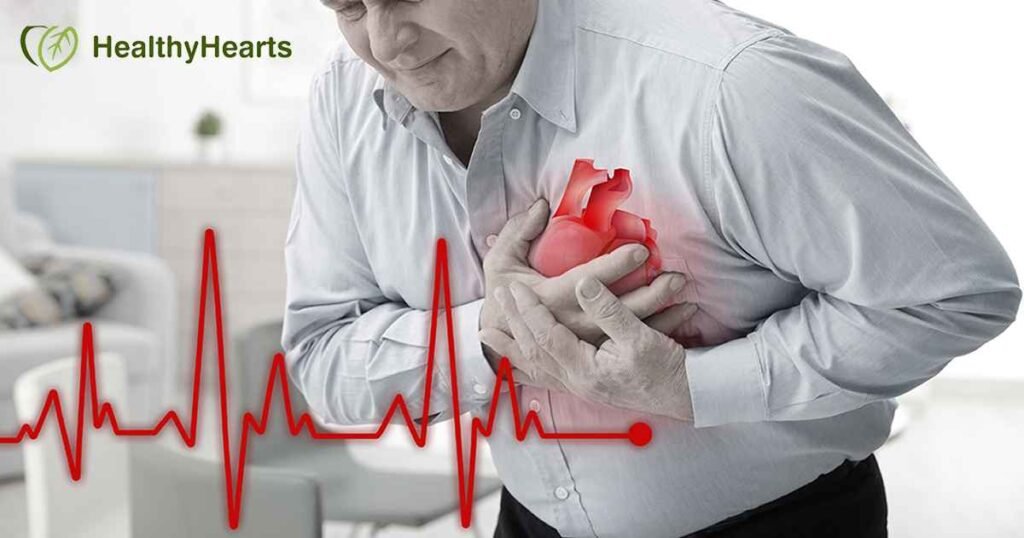
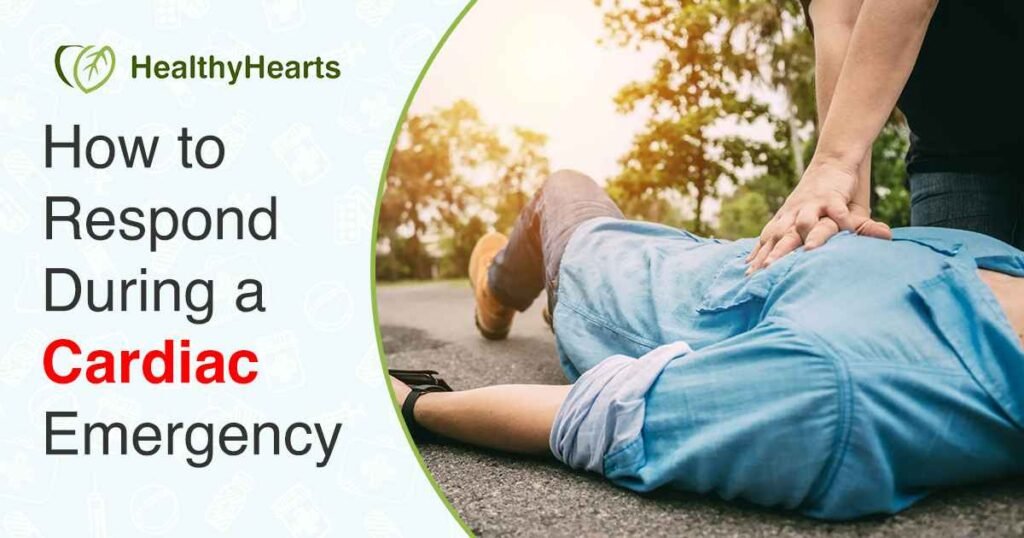
When it comes to the health of our children and teenagers, concerns about heart issues might not be at Cardiac emergencies can happen unexpectedly, and knowing how to respond promptly and appropriately can make a significant difference in saving a life. Whether you are at home, at work, or in a public place, understanding the proper steps to take during a cardiac emergency can increase the chances of a positive outcome. When confronted with such a critical situation, it is vital to seek immediate medical attention from the best cardiologist in Gurgaon. We will provide you with a comprehensive guide on the necessary steps to take, ensuring you are equipped with the knowledge to respond effectively. Recognizing the Signs of a Cardiac Emergency Early recognition of cardiac distress is crucial for prompt action. Familiarize yourself with the common symptoms associated with a heart attack or sudden cardiac arrest: Taking Immediate Action When witnessing a person experiencing symptoms of a cardiac emergency, follow these steps: Step 1: Assess the Situation Remain calm and quickly assess the situation. Determine whether the person is responsive or unresponsive. If the person is unresponsive, they may have suffered a sudden cardiac arrest, and immediate action is required. Step 2: Call for Emergency Assistance In the event of a cardiac emergency, it is vital to dial the local emergency number immediately or instruct someone nearby to do so. Make sure to clearly communicate the nature of the situation, the person’s condition, and the precise location. Seeking immediate medical assistance from top cardiologists in Gurgaon can significantly improve the chances of a positive outcome. Remember, prompt action and effective communication are crucial in such critical situations. Step 3: Perform CPR (Cardiopulmonary Resuscitation). Moreover, if the person is unresponsive and not breathing or only gasping, initiate CPR. Remember the following steps: Step 4: Use an Automated External Defibrillator (AED). Use an AED as soon as possible if one is available. Follow the instructions provided with the device to administer a shock, if advised, and continue with CPR until help arrives. Additional Precautions and Tips In addition to the immediate actions mentioned above, here are some additional precautions and tips to consider: Be Prepared During an Emergency In the event of a cardiac emergency, being prepared to respond can make all the difference in saving someone’s life. It is crucial to maintain composure and quickly evaluate the situation. It is advisable to contact emergency services and seek assistance from a good cardiologist in Gurgaon. Performing CPR and, if available, utilising an automated external defibrillator (AED) can also be life-saving measures. While waiting for medical professionals to arrive, it is important to follow the precautions and tips mentioned above. By taking immediate and appropriate measures, you greatly enhance the likelihood of a favourable outcome in an emergency.