Healthy Heart Gurgaon

Author name: drmonikmehta

Uncategorized

Atrial Fibrillation : The Common Heart Condition You Need to Know About

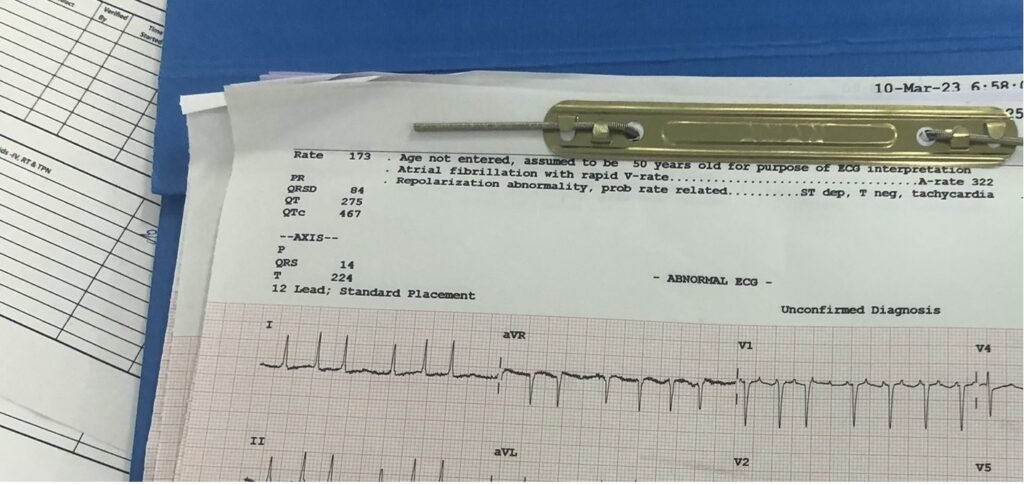
What is atrial fibrillation? Atrial fibrillation(Afib)  is a common heart condition where the heart beats irregularly and often faster than normal. Normally, the heart beats in a steady rhythm, but in AFib, the heart’s electrical signals become disorganized and cause the heart’s upper chambers to quiver instead of contracting effectively. What are the causes or risk factors which bring about this problem ? AFib can be caused by other medical conditions like high blood pressure, heart valve disorders, sleep apnea, obesity, excessive alcohol or drug use, lung disease, pneumonia, hyperthyroidism, or coronary artery disease. It can also occur in people without any related medical conditions.  What are the usual symptoms ? Atrial fibrillation (AFib) is more common in older individuals but can occur at any age. If you have AFib, you might experience: – Rapid heartbeat with irregular rhythm – Fluttering or pounding feeling in your chest – Excessive sweating – Chest pain or pressure – Shortness of breath – Extreme tiredness – Dizziness, light-headedness, or fainting Keep in mind that some people with atrial fibrillation may not experience any symptoms at all.  Should I be concerned about  Atrial Fibrillation? AFib can be asymptomatic or cause symptoms such as a fluttering sensation in the chest(palpitations), fatigue, shortness of breath, dizziness, and chest discomfort. Some people may also experience lightheadedness, fainting, or confusion. In some cases, AFib can lead to blood clots, stroke, and heart failure and it can happen even if the usual symptoms are not felt. This is the real danger!! Am I at Risk for Atrial Fibrillation? There are several risk factors for developing AFib, including age, high blood pressure, obesity, diabetes, smoking, alcohol use, sleep apnea, and underlying heart disease. AFib can also occur in people with no underlying heart problems. How will my doctor treat my A-Fib? To manage  AFib, doctors will perform an electrocardiogram (ECG), which records the heart’s electrical activity. If AFib is confirmed, treatment may involve medications to control heart rate or rhythm, blood thinners to reduce the risk of blood clots and stroke, or procedures such as cardioversion, catheter ablation, or surgery to restore a normal heart rhythm. What can I do to manage my condition? Living with AFib requires making certain lifestyle changes, such as managing underlying health conditions, maintaining a healthy weight, quitting smoking, avoiding excessive alcohol consumption, and managing stress. It’s also important to follow your doctor’s recommendations for monitoring and treating AFib and also in case you are suffering from comorbidities such as high BP, diabetes, lung problems, etc. Do seek prompt medical attention if you experience any new or worsening symptoms. Stay healthy and take care! For more information click here

Uncategorized

From Super foods to Supplements: Expert Tips for Managing Your Cholesterol

High cholesterol levels are a major risk factor for heart disease, the leading cause of death globally. While prescription medications are available to lower cholesterol, natural methods can also help manage cholesterol levels. Adding super foods to your diet, eating more fibre, working out regularly, dealing with stress, and taking certain supplements are good ways to control cholesterol levels naturally. In this article, we’ll talk more about these expert tips and show how a top cardiologist in Gurgaon can help their patients control their cholesterol levels and improve their heart health. A top cardiologist in Gurgaon can provide personalized advice and treatment plans for patients with high cholesterol and offer cholesterol screenings and monitoring to prevent future heart disease. Super foods to Include in Your Diet to Lower Your Cholesterol Expert Tips Here are some expert tips for managing cholesterol levels through natural methods: It’s Time To Take Care Of Yourself Managing cholesterol levels is crucial for maintaining good heart health and preventing heart disease. While prescription medication is an option, natural methods such as incorporating super foods into your diet, increasing fibre intake, and exercising regularly can also be effective in managing cholesterol levels. Additionally, taking certain supplements and managing stress can help support heart health. Working with a cardiologist in Gurgaon can give you personalized advice and treatment plans to help you control your cholesterol levels and prevent heart disease in the future. Healthy Hearts is best heart hospital in Gurgaon for people needing advanced medical care. It has state-of-the-art facilities and a team of experienced cardiologists who are committed to giving patients with heart conditions the best care possible.

Uncategorized

The Harsh Truth about Nicotine’s Effects on Your Heart

Nicotine, the addictive substance found in tobacco products, has long been linked to a range of health problems, including cancer, respiratory issues, and heart disease. While many people are aware of the dangers of smoking, few understand the harsh truth about nicotine’s effects on the heart. In reality, nicotine is a strong stimulant that can raise your heart rate, blood pressure, and the chance of having a heart attack or stroke. In this article, we’ll explore the damaging effects of nicotine on the cardiovascular system and explain why it’s so important to quit smoking and other forms of nicotine use. But first, let’s look at how nicotine impacts your heart health. The best heart hospital in gurgaon has advanced treatments for heart disease and other heart and blood vessel problems for people who want specialized care. Rise of E-cigarettes The rise of e-cigarettes has been a topic of debate in recent years. E-cigarettes are battery-operated devices that heat a liquid solution containing nicotine, flavorings, and other chemicals, creating an aerosol that the user inhales. While e-cigarettes are marketed as a safer alternative to traditional cigarettes, there is still a lot of uncertainty about their long-term health effects. Some studies have shown that e-cigarettes may be less harmful than traditional cigarettes, as they produce fewer toxic chemicals. However, other studies have shown that e-cigarettes may still pose health risks, particularly to the lungs and heart. As such, it is important for individuals to consult with a healthcare professional, such as a good cardiologist in Gurgaon, before using e-cigarettes as a means of smoking cessation or harm reduction. Even though e-cigarettes are controversial, their popularity has grown, especially among young adults and teens. This is scary because nicotine use during adolescence can have long-lasting effects on brain development and make it more likely that a person will become addicted to nicotine. Also, using e-cigarettes may lead people, especially young people, to start smoking regular cigarettes. To solve this problem, there needs to be more research on the long-term effects of e-cigarettes on health and good public health policies and rules to stop e-cigarettes from being marketed to and sold to minors. Before using e-cigarettes to quit smoking or reduce harm, it is also important for people to get advice from health professionals. Heart diseases are conditions that result from smoking Smoking can lead to several cardiovascular conditions, including: How does quitting smoking improve heart health? Quitting smoking can significantly improve heart health. Here are some ways in which quitting smoking can benefit the heart: How to stop smoking? Here are some pointers that can help you quit smoking: It’s time to quit smoking Quitting smoking is one of the best things you can do to improve your heart health and lower your risk of getting heart disease. Smoking can cause a range of heart problems, from coronary artery disease and heart attacks to stroke and heart failure. However, quitting smoking can significantly improve heart health and slow down or even reverse the damage that smoking causes. If you’re struggling to quit smoking, seeking help from a healthcare professional can be extremely beneficial. A heart specialist doctor in Gurgaon can give you specialized care and support to help you stop smoking and deal with any heart problems you may have gotten because you smoked. With the right support and determination, you can quit smoking and improve your heart health, leading to a longer, healthier life.

Uncategorized

The Connection Between Menopause and Heart Health

Menopause is a difficult time of change for every woman. Not only are there physical changes that occur, but there are also emotional and mental changes. One of the most surprising changes that can occur during menopause is an increased risk for heart disease. While the risk for heart disease increases for all women as they age, the risk is even greater for women going through menopause. This is because the drop in estrogen levels that occurs during menopause can cause an increase in bad cholesterol and a decrease in good cholesterol. This can lead to a buildup of plaque in the arteries, which can ultimately cause a heart attack or stroke. There are a few things that women can do to decrease their risk for heart disease during menopause. Getting regular exercise, eating a healthy diet, and quitting smoking are all great ways to keep your heart healthy. Additionally, there are some treatments available that can help manage the symptoms of menopause and decrease the risk for heart disease. The link between menopause and heart health Menopause is linked to an increased risk of heart disease due to the drop in estrogen levels that occurs with menopause. Estrogen is essential for maintaining the health of the cardiovascular system. Without estrogen, bad cholesterol levels start to rise and good cholesterol levels start to drop. This increase in bad cholesterol and decrease in good cholesterol can lead to a buildup of plaque in the arteries. This plaque can eventually lead to a heart attack or stroke. It is crucial time for women to prioritize their heart health, and seeking guidance from a heart specialist doctor in Gurgaon can be beneficial. Another way that menopause can affect heart health is through changes in weight. Many women gain weight as they transition through menopause, which can also increase their risk of heart disease. Losing weight, exercising regularly, and eating a healthy diet can help to reduce the risk of heart disease in women going through menopause. It’s also important to monitor your blood pressure during menopause. Studies have shown that women going through menopause are more likely to suffer from high blood pressure, which can also increase the risk of heart disease. It is important to get your blood pressure checked regularly and keep it under control with lifestyle changes such as diet and exercise and, if necessary, medication. The benefits of hormone therapy Hormone therapy is becoming increasingly popular among women going through menopause and looking for a way to reduce their risk of heart disease, as well as manage menopause symptoms such as hot flashes and mood swings. Hormone therapy can replenish levels of estrogen in the body, which can help to reduce the risk of heart disease. However, it is important to speak to your doctor before starting hormone therapy, as there are risks associated with the therapy, such as an increased risk of stroke, blood clots, and breast cancer. In addition to the reduction in the risk of heart disease, hormone therapy can also provide a range of other benefits. Hormone therapy can improve skin tone, reduce hot flashes and night sweats, improve vaginal health, and help with sleep disturbances. The risks of hormone therapy It is important to remember that hormone therapy is not without risk. There are potential side effects associated with taking hormones and it is important to weigh the potential risks and benefits with your best heart doctor in gurgaon before starting any type of hormone therapy. The most common risks associated with hormone therapy include: 1. Deep vein thrombosis: This is when a blood clot forms in one of your legs and can be potentially life-threatening if the clot breaks off and travels to your lungs. 2. Increase in cholesterol levels: Hormone therapy can increase your levels of low-density lipoproteins, which are the “bad” cholesterol, and this can cause heart disease. 3. Breast cancer: While hormone therapy is believed to reduce the risk of heart disease, it is also believed to increase the risk of breast cancer and other types of cancer. 4. Ovarian cancer: Hormone therapy can also increase the risk of ovarian cancer, especially when it is administered for an extended period of time. It is important to speak to your doctor before starting hormone therapy to make sure that it is safe and appropriate for you. In some cases, lifestyle changes such as eating a healthy diet, exercising, and stress management may be enough to reduce the risk of heart disease. Make lifestyle changes to reduce your risk Making lifestyle changes is essential for reducing your risk of heart disease during menopause. There are many changes you can make to improve your heart health and reduce your risks, including: 1. Eating healthy: Eating a diet that is low in saturated fat and high in fruits, vegetables, and whole grains is one of the best ways to reduce your risk of heart disease. 2. Exercise: Staying active and engaging in moderate-intensity aerobic exercise is essential for heart health and will help you maintain your weight. 3. Stress reduction: Stress can be one of the most significant contributors to heart disease, so it is important to make time for relaxation and stress relief. 4. Quit smoking: Smoking increases your risk of heart disease and can make existing conditions worse, so quitting is essential for reducing your risk. These changes will help you maintain a healthy lifestyle during menopause and beyond. Remember that every small change you make will help reduce your risk of heart disease and improve your overall health. Prioritizing Heart Health During and After Menopause The bottom line is that menopause is a natural part of life, but that doesn’t mean you can’t do something to reduce your risk of heart disease. Making certain lifestyle changes can help you reduce your risk and help you maintain optimal heart health. Talk to cardiologist doctor in gurgaon like Dr. Monik Mehta about your specific health needs and risks, and make sure you are up-to-date with your regular checkups and screenings. With the right lifestyle changes and

Uncategorized

Maintaining your heart’s health while balancing work and life

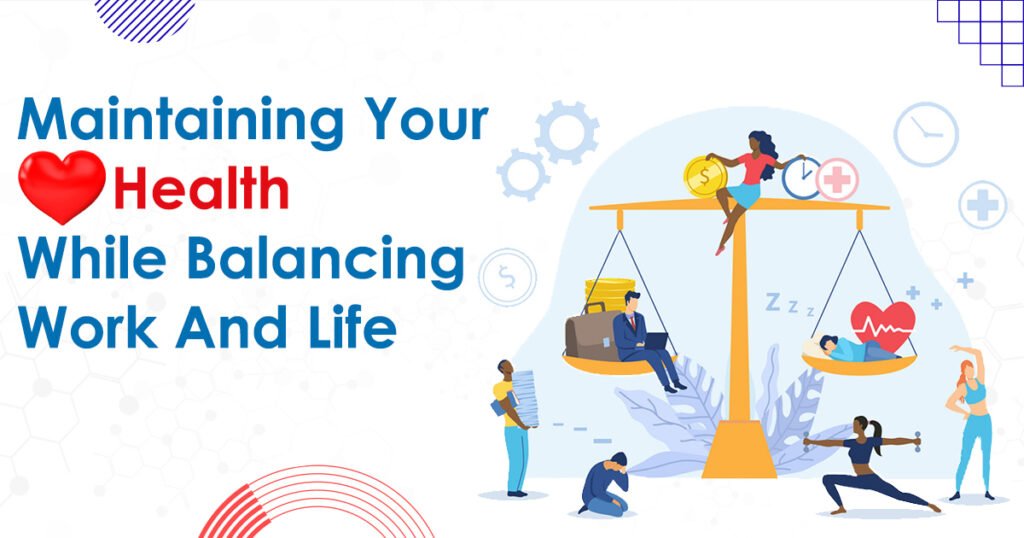
Maintaining a healthy work-life balance is a challenge that many people face in their daily lives. In today’s fast-paced world, we always have to balance work, family, and social obligations, which leaves us with little time for self-care and personal interests. When work and life aren’t balanced, it can lead to stress and burnout, which are bad for both physical and mental health. But with mindful practices, practical strategies, and the help of a cardiologist in Gurgaon, we can find a good balance between work and life and live a happy, satisfying life. Understanding Work-Life Balance Work-life balance refers to the ratio between work and personal life, where an individual has enough time and energy to devote to both areas. Achieving work-life balance reduces stress, improves mental and physical health, and enhances overall well-being. However, the concept is only sometimes straightforward. It can vary depending on an individual’s personality, priorities, and life stage. For example, a person with young children may prioritize spending time with their family over work, while a single person may prioritize their career over their personal life. Therefore, work-life balance is a personalized approach that varies from person to person. Balance can also be affected by things like workload, job flexibility, family obligations, personal interests and hobbies, stress, and burnout. These things can make it hard for a person to balance work and personal life, which can lead to bad things like more stress, less productivity, and less job satisfaction. Understanding work-life balance is crucial for achieving a fulfilling and meaningful life. It requires a personalized approach considering an individual’s personality, priorities, and life stage. By recognizing the factors that affect work-life balance and incorporating strategies to achieve it, we can enhance our personal and professional lives and live more satisfying and enjoyable life. Factors Affecting Work-Life Balance Several factors can impact our work-life balance, including: By knowing about these things, you can figure out what parts of your life might be affecting your work-life balance and take steps to fix them. Strategies for Maintaining Work-Life Balance Here are some practical strategies that can help us maintain a healthy work-life balance: By using these tips, you can keep a good balance between work and life and live a happy, full life. The Journey to Achieving Work-Life Balance Remember, work-life balance is not a destination but a journey. It requires consistent effort, dedication, and a willingness to make changes that promote balance in our lives. By prioritizing work-life balance, we can achieve a fulfilling and meaningful life that allows us to pursue our passions, spend time with loved ones, and excel in our careers. If you cannot maintain a work-life with your health and things have exceeded your limits, immediately get help from a good cardiologist in Gurgaon. So, take the time to reflect on your life and work, identify areas that need improvement, and take the necessary steps to achieve a healthy work-life balance. It’s always possible to start, and the benefits of a balanced life are immeasurable.

Uncategorized

Empower women power by improving heart health

The leading cause of death for both men and women is heart disease. However, fewer than 50% of women are aware of this. In fact, heart disease kills one in five women, and studies show that women often don’t recover from a heart attack as well as men do. There are biological distinctions between how a woman’s heart functions and how a man’s heart functions, and women have different risk factors. Women have smaller coronary arteries and a different hormonal environment, which can affect how their hearts respond to disease. Additionally, women may experience different symptoms than men when they have heart disease, and these symptoms may be less well-known and less easily recognized as heart-related As a result of these differences, detecting heart disease in women has historically been more challenging, and women may be less likely to receive appropriate treatment. Revealing the Secrets of Women’s Heart Health Heart disease is a major concern for women, but by taking control of their heart health, women can empower themselves and live longer healthier lives. Here are some key steps women can take to improve their heart health and reduce their risk of heart disease: By taking these steps and working with your cardiologist doctor , women can empower themselves to take control of their heart health and reduce their risk of heart disease. Understanding Risk Factors Heart disease is a complex issue that a variety of factors can cause. Women are at risk for heart disease because of several risk factors, including: Making Positive Changes for Better Heart Health in Women Heart disease is a serious concern for women, but there are many steps women can take to reduce their risk and improve their health. Here are some practical steps to consider : Empowering Yourself to Take Control Heart disease is a serious issue that affects millions of women every year, but it doesn’t have to be. By taking an active role in your health and making positive changes to your lifestyle, you can reduce your risk of heart disease. Contact us for further advice and empower yourself to live a longer, healthier life. So don’t wait for anything; take control of your heart health today!

Uncategorized

Can a heart attack occur when you are sleeping?

A heart attack can occur while sleeping, and while it’s a less common occurrence, it can be particularly dangerous since the symptoms might not be noticed until it’s too late. Research indicates that heart attacks are more likely to occur in the early morning hours, when the body’s metabolic rate and heart rate are slowed down. This reduction in metabolic rate and blood pressure can cause a reduced blood flow to the heart, leading to a heart attack. Obstructive sleep apnea, a common sleep disorder characterized by the temporary cessation of breathing during sleep, can increase the risk of a heart attack during sleep. It’s crucial to be aware of the warning signs of a heart attack, which include chest pain or discomfort, shortness of breath, nausea, lightheadedness, and discomfort in other areas of the upper body. These symptoms should not be ignored or taken lightly, as they might be signs of a heart attack. If you experience any of these symptoms, it is essential to seek medical attention immediately, regardless of the time of day. The earlier the medical intervention, the higher the chances of survival and recovery. It’s also essential to practice heart-healthy habits, such as regular exercise, a balanced diet, and avoiding smoking, to reduce the risk of heart disease and minimize the chances of experiencing a heart attack

Uncategorized

The Impact of Modern Life on the Increase of Heart Attacks in Younger People

Heart attacks are no longer considered a problem that only affects older adults. Unfortunately, the number of young people experiencing heart attacks is rising. There are several reasons why this is happening, many of which are related to modern lifestyle factors, which a heart specialist in Gurgaon can briefly explain. In this blog, we will explore the impact of modern life on the increase of heart attacks in younger people and what can be done to prevent them. Lifestyle factors that increase the risk of a heart attack in young people Include: Modern life is fast-paced and often involves: These dietary habits increase the risk of heart disease by contributing to high blood pressure, high cholesterol, and obesity. Many young people lead a sedentary lifestyle, spending long hours sitting in front of a computer, driving, or engaging in leisure activities like watching TV or playing video games. A lack of physical activity increases the risk of heart disease by promoting the development of obesity, high blood pressure, and high cholesterol levels. Stress is a common issue in modern life and affects young people’s health. Chronic stress can lead to heart disease by increasing blood pressure, causing the release of hormones that can contribute to heart disease, and triggering unhealthy behaviors such as overeating and smoking. Drug and alcohol abuse is common among young people and increases the risk of heart disease by causing damage to the heart and blood vessels and increasing the likelihood of heart attacks and strokes. Many young people don’t get enough sleep, which can increase the risk of heart disease by affecting hormones, inflammation, and heart function. Smoking is a major risk factor for heart disease and unfortunately, is common among young people. Nicotine and other chemicals in tobacco can cause damage to the blood vessels and heart, increasing the risk of heart attacks and strokes. What can be done to prevent heart attacks in young people: Eating a diet high in fruits, vegetables, whole grains, and lean proteins and low in processed foods can help reduce the risk of heart disease in young people, and you can take advice from a heart doctor in gurgaon for the proper balance diet according to your requirements. Young people should engage in regular physical activity, such as playing sports or working out, to reduce the risk of heart disease. Aiming for at least 30 minutes of moderate-intensity physical activity daily is a good start. Young people should learn to manage stress through yoga, meditation, or deep breathing exercises. They should also avoid unhealthy coping mechanisms like substance abuse. Young people who smoke should try to quit as soon as possible. Further, many resources are available to help, including nicotine replacement therapy, counseling, and support groups. Young people should aim to get at least 7-9 hours of sleep per night to reduce the risk of heart disease. Young people who struggle with substance abuse should seek help as soon as possible. There are many treatment programs, support groups, and counseling services that can all be effective in helping young people overcome addiction and reduce the risk of heart disease. The Alarming Rise of Heart Attacks in Younger Generations People need to understand that heart disease is not a problem that only affects older adults and that they need to take steps to protect their health now and in the future. By changing their lifestyles and seeking help, young people can reduce their risk of heart disease and prevent heart attacks. To change your life, the top cardiologist in Gurgaon, Monik Mehta, advises including an exercise program, a balanced diet, and adequate sleep. By doing this, you can dramatically reduce your heart attack risk.

Uncategorized

Reasons Why A Vegan Diet Promotes Heart Health

A vegan diet is now in style, and the population of almost every country is increasingly switching to it. But if you think you are also following it because you do not include meat or eggs, you need to know the main difference. A vegan diet is only plant-based and does not even include milk. As there are mainly three types of plant-based diets, the most common are: 1. Vegan: Only plant-based products are included, excluding meat, eggs, and dairy products. 2. Lacto-vegetarian: You can have dairy products and exclude meat and eggs. 3. Lacto-ovo-vegetarian: In this, you can include dairy products and eggs and exclude meat only. With the world moving towards a vegan or plant-based diet, have you also thought of doing it? Does it also strike your mind why it is important to include vegan diets or why many people have switched to vegan diets? Then you’ve come to the right place, as we are here to share and highlight some major reasons given by Dr. Monik Mehta, the best Cardiologist in Gurgaon, for incorporating a vegan diet into your daily life to keep your heart healthy. What is a Plant-Based or a Vegan Diet? A vegan diet, originally called a “plant-based diet” to avoid confusion, is a diet that only consists of plant-based foods. The main rule for following this diet is to exclude all animal products, including dairy products, eggs, meat, etc. Many people are also starting to exclude honey from their diets; for some, being vegan is just a dietary choice, but for others, it is a lifestyle choice. A plant-based diet generally includes many fresh fruits, vegetables, beans, pulses, nuts, and seeds. Maintain and Improve Heart Health with Vegan Diet Switching your normal diet to a vegan one helps in many ways, including directly improving your heart health. A heart doctor in Gurgaon or from other places also explains that including this diet improves your weight, cholesterol, blood pressure, and sugar, all of which can directly lead to a healthy heart. Having more fibrous diets causes a lower risk of cardiovascular diseases, which can be maintained with a vegan diet as it includes more fiber than other diets. Polyphenols in plant foods help reduce the inflammation that can cause heart disease. According to the study, a vegan diet helps to improve heart health, as a higher intake of plant-based foods and excluding animal foods will directly reduce the risk of heart disease. Most animal foods contain saturated fat, which causes high cholesterol and blood pressure. This can be prevented after switching the animal-based food with rich fibrous plants that help to maintain a healthy heart. In addition, many people who have switched to vegan diets start consuming fewer calories than the standard diet they are taking before or you can take advice from heart doctor in Gurgaon. Decreasing the calories helps prevent major risk factors for bad health, directly improving your heart health. Things You Can Add to Your Bucket An abundance of plant foods, such as fruits, vegetables, whole grains, legumes, nuts, seeds, and fortified goods prepared from these foods, will likely be substituted for meat, eggs, and dairy products if you follow a vegan diet. After a brief reading, you don’t need to worry, as we are not only helping you exclude things from your diet. But knowing the whole list of what you can include helps you prepare your diet plan. · Fruits · Vegetables · Legumes · Whole Grains · Nuts and seeds · Non-egg-based pasta · Non-egg-based bread · Herbs and spices · Yeast and nutritional yeast · Non-dairy milk, yogurt, cheese, ice cream, etc. · Soy products (tempeh, tofu, edamame, and soymilk) A Closer Look at the Benefits of Eating a Vegan Diet Eating a plant-based diet can have numerous benefits for heart health which you will also get advice from heart doctor in Gurgaon. Some of the key benefits include: 1. Lower cholesterol levels: Plant-based diets are typically low in saturated fats and cholesterol, which can help lower cholesterol levels and reduce the risk of heart disease. 2. High in fiber: Plant-based diets are rich in fiber, which can help to lower blood pressure, improve blood sugar control, and reduce inflammation, all of which can help to protect the heart. 3. High in antioxidants: Plant-based diets are also high in antioxidants, which can help to protect the heart by neutralizing harmful free radicals. 4. Low in calories: A plant-based diet is often lower in calories than a diet that includes meat and dairy products, which can help to maintain a healthy weight and lessen the risk of weight gain and related diseases. 5. Good for blood pressure: Plant-based diets are low in sodium and high in potassium, which can balance the electrolytes in the body and help to maintain healthy blood pressure. 6. Lower risk of heart disease: Overall, eating a plant-based diet can help to lower the risk of heart disease, stroke, and other chronic health conditions. You can improve your heart health and overall well-being by incorporating more fruits, vegetables, whole grains, and legumes into your diet. Changes to Be Healthier For many people, swapping or switching their diet plan or lifestyle is easy, but it is not always easy to switch your daily routine very smoothly. We are not suggesting you change your diet overnight, but you can start incorporating good nutrients into your diet by eating more plant-based foods. To follow a new diet plan, you require planning, and if you have any heart-related disease or are into medication, you can consult with the best heart hospital in Gurgaon before switching your diet plan. If you’re still not prepared to be fully vegan and have only a plant-based diet, you can start eating more vegan foods than before. People who want to go vegan must carefully plan their meals to ensure they obtain enough essential nutrients to prevent deficits. To ensure you’re giving your body what it needs in terms of nutrients, consider taking certain supplements, depending on your knowledge, finances, and culinary abilities or you can also concern heart doctor in Gurgaon. To Book

Uncategorized

HEART ATTACK IN WINTERS

Winter can be a dangerous time for heart attacks. Learn about the signs, symptoms, and preventive care from senior consultant cardiologist – Dr(Col) Monik Mehta Cold temperatures cause blood vessels to constrict, making blood flow to the heart more difficult. Blood vessel constriction in response to cold temperatures is a normal physiological response that aids the body in retaining heat. However, in people who have underlying cardiovascular disease, this constriction can result in decreased blood flow to the heart, increasing the risk of heart attack and other cardiac events. Cold temperatures can also raise blood pressure by increasing heart rate and peripheral vascular resistance, putting additional strain on the heart. To reduce this risk, follow the recommendations of Dr. Monik Mehta – Top Cardiologist in Gurgaon. The cold weather may be hard on your heart. Some heart conditions may necessitate immediate medical attention. As a result, it is best to be on the lookout for the symptoms and seek immediate medical attention from a cardiologist in Gurgaon. A delay in diagnosis or treatment may increase the risk of complications or prove fatal. To Book an appointment with our Cardiologist: Dr. Monik Mehta (MBBS, MD, DM, FACC) Interventional Cardiologist, Cardiologist, Cardiac Electrophysiologist 24*7 Helpline No. +91–9873214382 Email: heartcare@healthyheartsgurgaon.com Website: www.healthyheartsgurgaon.com

Scroll to Top