Healthy Heart Gurgaon

Author name: drmonikmehta

Uncategorized

Everything You Need to Know About Angioplasty for Coronary Artery Disease

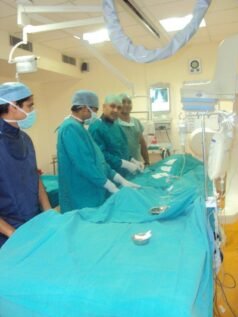
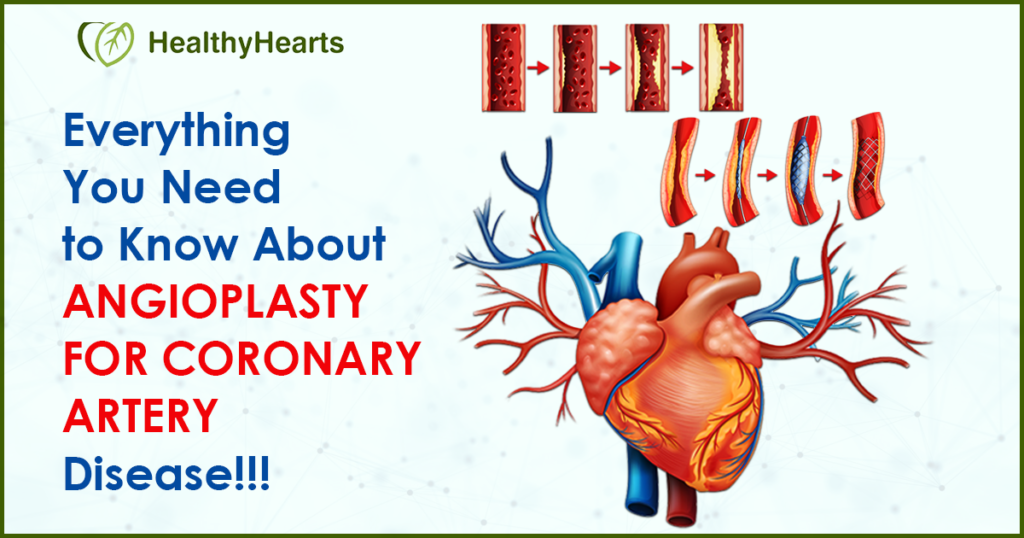
Coronary Artery Disease, also called CAD and CHD, is the most common form of heart disease. CAD causes poor blood flow in the arteries that supply blood to the heart. Your heart receives blood that is oxygenated from your coronary arteries. The buildup of plaque in these arteries limits the volume of blood that can reach your heart. To make this phenomenal progress possible, several innovations have been made. One of the key innovations is angioplasty, a procedure for quickly restoring blood flow to the heart muscle. If you or any of your family members have experienced a heart attack and want to know about angioplasty from the best cardiologist in Gurgaon, read the blog carefully. Symptoms of Coronary Artery Disease For the longest time, you might not see any symptoms of CAD. CAD is a chronic disease, and plaque buildup takes many years or even decades. But you may see mild or normal symptoms as your arteries narrow. These signs show your heart is working harder to pump oxygen-rich blood to your body. Symptoms: Heartburn and indigestion might sometimes be misinterpreted for these symptoms. CAD other symptoms Note: If these symptoms last for more than 5 minutes, do not ignore them and consult a doctor on a priority basis. You need a proper consultation regarding the disease if you are having any of the above symptoms. Dr. Monik Mehta who is a well- known cardiologist in Gurgaon, presents important information about angioplasty for coronary artery disease in this blog. About Coronary Angioplasty In the 1960s and early 1970s, bypass surgery was the only treatment to improve blood flow to the heart with blocked arteries. It took a whole month to recover and a week in the hospital if you have gone through Bypass Surgery even today. Symptoms of heart disease include angina (chest pain) or trouble breathing. Angioplasty is used to clear the significant blockage in the artery. An interventional cardiologist, a cardiac specialist with specialized education and expertise in utilizing small tubes called catheters that can be put into blood arteries to administer therapies, performs an angioplasty operation. Although angioplasty requires only a small incision in the chest, open surgery is not necessary. For many people, angioplasty is a safe and successful therapy option. Benefits of Angioplasty Angioplasty is an efficient treatment that saves many lives. Angioplasty offers you a shorter period of recovery time than bypass surgery. A patient who has gone through angioplasty was discharged from the hospital within 24 hours and returned to work within a week, patients who underwent bypass surgery needed a month to recover. To improve the blood flow in the heart and unlock the clogged arteries Doctors suggest a minimally invasive procedure called angioplasty. Angioplasty is generally a safe procedure to treat acute heart problems and is also suggested by a heart doctor in Gurgaon. After an Angioplasty The doctor will guide you and explain how you need to improve your lifestyle after the angioplasty. Your treatment might include medications, an improved diet, and home exercise. Follow the instructions of your provider to make the required changes in your lifestyle and take the proper medications. If you are looking for tailored diet plans and a new exercise program, you can first consult your doctor to get advice. Why Choose Healthy Hearts? Any patient admitted to the hospital who is suffering from heart problems also needs emotional support. Our team of professionals will not only provide you the physical attention but you get the preliminary care to feel better and recover quickly. We at Healthy Hearts focuses on our efforts to provide a treatment that includes advanced equipment, cutting-edge treatments, and technologies. To help you lead a healthy and happy life quickly after you say goodbye to us. To Book an appointment with our Cardiologist: Dr. Monik Mehta (MBBS, MD, DM, FACC) Interventional Cardiologist, Cardiologist, Cardiac Electrophysiologist 24*7 Helpline No. +91–9873214382 Email: heartcare@healthyheartsgurgaon.com Website: www.healthyheartsgurgaon.com
Uncategorized

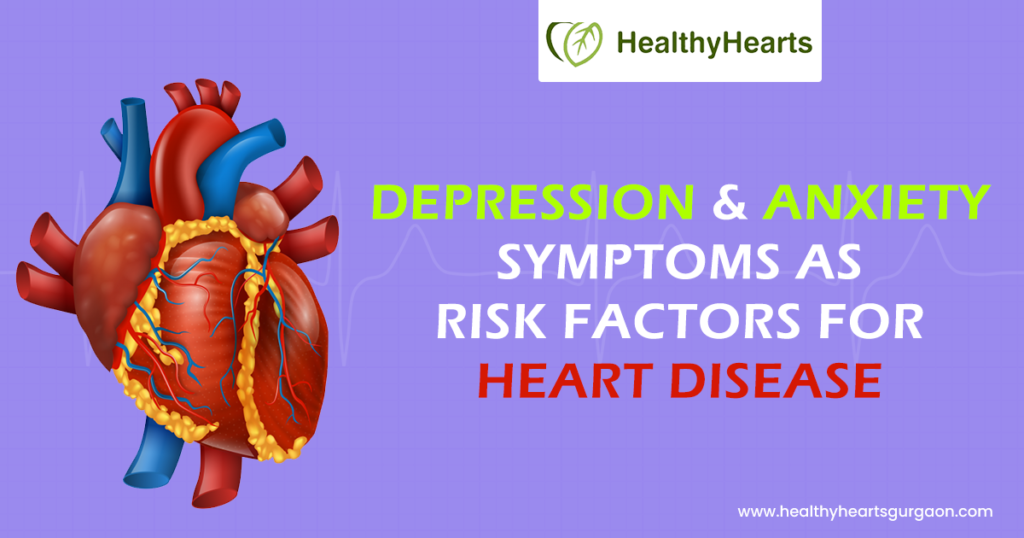
Depression and anxiety symptoms as risk factors for heart disease

It’s simple to grab your go-to comfort food or skip a workout when you’re feeling bad. Even when you’re not feeling well, it’s still crucial to consider your heart’s health. People are less likely to make good lifestyle decisions when they are stressed, anxious, or depressed because they may feel overwhelmed. They might smoke more and engage in less physical activity. Too little or too much sleep, excessive alcohol consumption, and non-compliance with medication instructions. These unhealthy habits can eventually raise your risk of developing heart disease. Trauma, sadness, anxiety, and stress can produce changes that can have an impact on your health, and not just because you could adopt unhealthy habits. According to research, physical physiology is impacted by mental wellness. If you want to avoid such situations, then you must take advice from the top cardiologist in Gurgaon and work to achieve a healthy and happy lifestyle. While depression undoubtedly has an impact on your habits and way of life, it can also directly impair your physical health. It has been linked to mild inflammation. Your arteries may become clogged by this inflammation, which may also increase the release of stress hormones and facilitate blood clotting. So if someone tells you that your depression is all in your head, don’t believe them. Your body is affected by depression in real, tangible ways. In this blog, Dr. Monik Mehta has explained that depression causes heart disease or a heart attack. Your heart rate and blood pressure increase, your blood flow to the heart is reduced, and your body creates more cortisol, a stress hormone, when you are depressed, anxious, or stressed. Heart disease may eventually result from these impacts. In addition, post-cardiac events such as heart failure, stroke, and heart attack can lead to depression and anxiety. A person’s body responds to anxiety in ways that can put additional strain on their heart. Anxiety’s physical side effects can be particularly harmful for people who already have a cardiac illness. The following heart diseases and cardiac risk factors may be linked to anxiety: • Rapid heart rate (tachycardia): In extreme circumstances, this can disrupt the regular heartbeat and raise the danger of sudden cardiac arrest. • Elevated blood pressure: Chronic coronary disease, heart muscle deterioration, and heart failure are possible outcomes. • Reduced heart rate variability: May increase the risk of death after a heart attack. Different Types of Anxiety Disorder There are various types of anxiety disorders. Some of them are as follows: • Panic disorder: This can be mistaken for a heart attack or be related to a cardiac illness. Dizziness, chest pains, stomach aches, shortness of breath, and a rapid heartbeat are common symptoms of acute anxiety and terror. • Post-traumatic stress disorder (PTSD): a state that can happen after a terrifying or stunning encounter or a sudden, life-threatening catastrophe such as a violent crime, serious accident, or heart attack. A person with PTSD frequently feels jittery and detached and finds it difficult to deal with anything connected to the event that gave rise to their illness. • Obsessive-Compulsive Disorder: People with OCD will repeatedly carry out the same behaviours to control their illogical thoughts and fears. For instance, a person who is obsessive about perceived cardiovascular symptoms that have been examined and ruled out by a doctor may spend hours researching or discovering new ones. Diagnosing and Treating Anxiety Treatment options for anxiety can range from counselling to medicine or a combination of the two, depending on the length, severity, and kind of the condition. Cognitive-behavioral therapy (CBT), a popular and efficient treatment approach, consists of three major elements: • Anxiety Control: In order to help the patient focus on the here and now, it is important to prevent them from concentrating too much on uncontrollable future fears. Yoga methods, sensory-concentrating exercises, and relaxation techniques may all be used to manage anxiety. • Cognitive restructuring: People who suffer from anxiety disorders frequently “catastrophize,” or place undue emphasis on the likelihood of catastrophic or apocalyptic occurrences. The goal of cognitive restructuring is to demonstrate that distorting events and situations is not a good thing through patient-therapist interaction. • Exposure therapy: This method involves repeatedly and gradually exposing the patient to the anxious situation or activity. When the person can successfully manage the anxiety, the desired outcome is attained. Examples include conquering a fear of crossing a bridge, flying cross-country without getting lost, or spending time in a place where an accident or crime occurred. Ultimately, you have to take care of yourself to break the cycle of feeling down. That could be doing something such as meditating, listening to music, or reading a book. Furthermore, if you believe you require professional advice, you can visit your cardiologist in Gurgaon to receive appropriate advice based on your mental situation and try to overcome them to live a healthy and peaceful life. To Book an appointment with our Cardiologist Dr. Monik Mehta (MBBS, MD, DM, FACC) Interventional Cardiologist, Cardiologist, Cardiac Electrophysiologist 24*7 Helpline No. +91-9873214382 Email: heartcare@healthyheartsgurgaon.com Website: www.healthyheartsgurgaon.com

Uncategorized

6 Myths You Should Know About Heart Disease

Keeping yourself healthy is the most important rule of life. To follow this rule, many people exercise, eat healthy, and plan their days accordingly. But the most important part of a human body is the centre of the circulatory system, which is the heart. Taking care of your heart to improve the blood circulation helps maintain a healthy lifestyle. But sometimes misconceptions may lead you to bad decisions and incorrect assumptions. Before following any rule and taking any decision regarding your heart health, you should consult a doctor. You should seek a consultation from a heart specialist hospital in Gurgaon to determine the necessary steps to protect your heart’s health. This blog is all about the myths you need to avoid, and for further consultation, you may contact Dr. Monik Mehta. Myth 1. Symptoms Of Heart Disease Are Easy To Recognize While chest pain is often associated with heart disease, it is not always present. In fact, heart disease can be present without any symptoms at all, which is why it is known as the “silent killer.” Some people with heart disease may experience fatigue, shortness of breath, or other vague symptoms that can be easily overlooked. It is important to be aware of the signs and symptoms of heart disease and to see a cardiologist doctor in Gurgaon or nearby if you have any concerns. Myth 2. Warning Signs Shown In All Heart Attack Is Same In the above section, we have seen the common symptoms, but it may be possible to have a heart attack without seeing any symptoms. There have been reports of silent attacks, which are sometimes discovered while examining for other heart-related issues. Myth 3. Treatment Is Not Effective For Heart Disease Some people may believe that heart disease treatment is not effective, but this is not the case. There are many different treatments available for heart disease, including medications, lifestyle changes, and surgery. The type of treatment will depend on the specific type and severity of heart disease, as well as the individual’s age and overall health. With proper treatment, it is possible to manage and even reverse heart disease. Myth 4. Heart Disease Is Not A Serious Health Condition Finally, some people may view heart disease as a minor health issue that is not worth worrying about. However, heart disease is a serious and potentially life-threatening condition. However, it is the main cause of death in many countries worldwide. It is important to take heart disease seriously and to take steps to prevent it or manage it if you have been diagnosed. Myth 5. The Mental Health Is Not Affected By Heart Disease Another myth is that mental health is not affected by heart-related issues. While thinking about improving our health, we took the required steps, which include regular exercise, a healthy diet, and meditation. According to some facts, people who are facing depression or related problems are more likely to develop heart disease than others. However, taking care of your mental health in addition to your cardiologist’s treatment may alleviate your anxiety and depression. Myth 6: Taking Vitamins And Supplements Can Reduce The Risk Of Heart Disease People who used to exercise include vitamins and supplements in their diet, and they think that will also keep their hearts healthy. But according to the experts, there is no evidence stating that including vitamins in the diet prevents or treats heart disease. Without consulting the doctor, one should never take any vitamins or supplements as they may affect their health in a negative way as well. Conclusion To protect your heart health, it is crucial to be informed about the facts about heart disease. This includes understanding the risk factors, being aware of the signs and symptoms, and taking steps to prevent or manage the condition. By doing so, you can help reduce your risk of developing heart disease and improve your overall health and well-being. But before taking any decision related to your health, you require a consultation, and for that, you may search for the top cardiologist in Gurgaon and book your appointment. To Book an appointment with our Cardiologist: Dr. Monik Mehta (MBBS, MD, DM, FACC) Interventional Cardiologist, Cardiologist, Cardiac Electrophysiologist 24*7 Helpline No. +91–9873214382 Email: heartcare@healthyheartsgurgaon.com Website: www.healthyheartsgurgaon.com

Uncategorized

Best Heart Specialist in Gurgaon- Dr. (col) Monik Mehta

Heart failure happens when the heart can not pump enough blood and oxygen to support your body’s organs. Heart failure is a serious issue, but it does not mean that the heart has stopped beating. However, it can be a serious problem, but it can be cured in a healthy way. Dr. (Col) Monik Mehta is a renown and professional heart specialist doctor in Gurgaon. He is a heart specialist with more than 30 years of experience as a cardiologist. Healthy Hearts Gurgaon is well equipped with advanced medical technology to treat all kinds of severe heart diseases. A Healthy Heart is a professional health care team that provides extensive cardiac care. Our qualified cardiologist has specialized in many areas to better serve your cardiac needs. Symptoms of Heart Failure Heart failure is interrelated with the kidney’s normal function of eliminating excess sodium and waste products from the body. Failure of the choked heart, the body retains more fluid. Besides this, there are more symptoms that can cause heart failure. Some of them are: • Breathing problems during daily activities • Having trouble breathing while lying down or sleeping • Increased weight with swelling of the feet, legs, ankles, and stomach • General exhaustion and weakness Several health conditions, your lifestyle, and your age and family history can increase your risk for heart disease and heart attack. These are called risk factors. About half of the population has at least one of the three key risk factors for heart disease: high blood pressure, high blood cholesterol, and smoking. Some risk factors cannot be controlled, such as your age or family history. But you can take steps to lower your risk by changing the factors you can control. Ways to Recover from Heart Failure Making changes in your lifestyle is one of the most important things you can do to prevent another heart attack, heart disease, and stroke. There are five things that a person diagnosed with a heart attack should do to improve their health and manage their heart failure. • Medications: Be sure to follow your doctor’s and health care team’s medication instructions precisely. If you are not able to tolerate them , then just inform them instead of running from it. • Activity: Stay active everyday. Do whatever you want to or need to do to make your body fit and strong. Regular physical activity will ease stress and depression, help control weight, and lower blood pressure and cholesterol levels. • Choose Good Nutrition : Good nutrition will help control your weight, lower blood pressure and cholesterol levels. One of the best things you can do for yourself is to get into a cardiac rehabilitation programme where everything you need to get and stay healthy is in one convenient location. One best thing you can do is to take advice from Dr Monik Mehta. He will treat you Through exercise training, education, and counseling to reduce stress, rehabilitation programmes are medically supervised to help you improve your health and well-being and change your lifestyle habits. To Book an appointment with our Cardiologist: Dr. Monik Mehta (MBBS, MD, DM, FACC) Interventional Cardiologist, Cardiologist, Cardiac Electrophysiologist 24*7 Helpline No. +91-9873214382 Email: heartcare@healthyheartsgurgaon.com Website: www.healthyheartsgurgaon.com
Uncategorized

The Complete Guide to Cardiac Catheterization

Cardiologists perform a procedure known as cardiac catheterization to assess your heart’s functionality. Additionally, it can be used to locate issues and deliver a treatment for clogged or blocked coronary arteries. In this blog, Dr. Monik Mehta explains the procedure of cardiac catheterization and helps you understand how you’ll prepare for and recover from it. A cardiac catheterization is a procedure used to monitor the blood flow and pressure in and around the heart. It is often referred to as a “cardiac cath” or a “heart catheterization.” Further, it can be used to treat some heart diseases. During a cardiac catheterization, you must check certain things: • Check your heart’s four chambers for pressure.• Observe the contraction of the chambers of your heart.• Measure the oxygen levels in each compartment by drawing blood samples.• Check your heart for any valve or chamber issues.• A little sample of heart tissue from a biopsy Things you may experience during cardiac catheterization In a hospital’s cardiac catheterization (cath) lab, cardiac catheterizations are carried out by a top cardiologist in Gurgaon and a group of nurses and technicians. A nurse will insert an IV line into your arm to provide you with a sedative before the surgery. During the procedure, you’ll be at ease but aware and able to follow directions. Additionally, a nurse will use a local anaesthetic to numb the region and clean and shave the area where the catheter will be placed (often the wrist, groyne, or neck). A sheath, a tiny tube, will be inserted by the physician into an artery or vein. Then, using the sheath as a conduit, they will carefully insert a catheter, an even smaller tube, into the blood vessel. The position of the catheter as it travels through the main blood veins to the heart will be shown on a television screen. While pressure could be present, pain shouldn’t be. The catheter tip can then be fitted with a number of tools. Some of them are: • Measure the blood pressure in the blood vessels that supply the heart as well as in each of the heart’s chambers.• View the blood vessels’ interiors.• Take blood samples from different cardiac regions.• Take a cardiac tissue sample for a biopsy. To take X-rays of your heart’s chambers, valves, and coronary arteries, the doctor may also inject contrast dye through the catheter. The procedure is known as an angiography. After doing these exams, your doctor may decide to address an issue right away in some cases. Your doctor may conduct an angioplasty to treat a coronary artery segment that is blocked or narrowed. During an angioplasty, a small balloon is used to expand your artery and clear any obstructions, improving blood flow. In order to keep the artery open, the doctor could additionally install a mesh tube known as a stent. The catheter and sheath will be taken out at the conclusion of the surgery, and the site will be treated and protected to avoid infection. After-Effects of Cardiac Catheterization If the catheterization was performed via the groyne, you will be taken to a recovery room, where you will lie flat for a few hours after the treatment. You’ll be instructed to keep the nearest leg straight if the catheter was introduced through your groyne. If the catheterization was done from the neck or wrist, you can sit up while being watched in the recovery room. Meanwhile, a nurse will keep an eye on your blood pressure, heart rate, and any indications of chest pain, swelling, pain, or bleeding. You’ll receive written instructions on how to continue your care at home before you leave the hospital. It’s critical that you carefully follow these directions, which include taking any recommended drugs. You will be hospitalised, normally for one night for observation, if you have an angioplasty or stent placed in a coronary artery. At the puncture site, a minor bruise is typical. Call your cardiologist doctor in Gurgaon right away if you experience any of the following symptoms: • Enlargement of the bruise• Fluid or swelling where the puncture was made• Tingling or numbness at the location of the puncture The procedure of catheterizing the heart is typically risk-free. Minor problems like bruising at the catheter insertion site are experienced by some people. Some people might have nausea from an allergic reaction to the contrast dye. Additional potential dangers include a perforated blood artery, blood clots, and an irregular pulse. Your cardiologist in Gurgaon will go over any possible hazards and any additional precautions your team will take with you before the surgery. To Book an appointment with our Cardiologist: Dr. Monik Mehta (MBBS, MD, DM, FACC) Interventional Cardiologist, Cardiologist, Cardiac Electrophysiologist 24*7 Helpline No. +91–9873214382 Website: www.healthyheartsgurgaon.com
Uncategorized

Holiday Heart Syndrome

Wishing everyone a very Happy & Healthy New Year . It’s also a good time to learn about Holiday Heart Syndrome. This is a medical condition that typically occurs as a result of excessive alcohol consumption or emotional stress, and the patient typically experiences rapid heartbeats, which can lead to more serious heart problems such as atrial fibrillation or a heart attack. Here are some tips to help you reduce its risk :-

Uncategorized

10 MYTHS ABOUT ANGIOGRAPHY

MYTH No 1 – It is a dangerous procedure. No, It is a very safe procedure with  chances of a major complication of less than a 1% MYTH No 2   It can treat / open the “blockage”. No – Angiography is simply a test that determines the degree of blockage in the blood vessels of the heart (coronary arteries). Only then can the treating cardiologist make a decision on the course of treatment that must be taken. MYTH No 3. A cut is made and it is always done through the leg. Nowadays, many cardiologists perform this procedure through the wrist; this is known as a “Transradial” procedure, and there is usually no need for a cut or stitch. The patient walks in and out after the test. MYTH No 4   The patient is made unconscious during the procedure. No. It is always performed under local anaesthesia, with a local anaesthetic drug injected under the skin. MYTH No 5 . It is a painful procedure. No -it is a practically painless procedure and usually only the discomfort of the local anesthetic injection is all that one feels. In majority patients don’t even realize when the procedure has started  or finished. MYTH No 6.   One has to take rest for a few days thereafter. No – Nowadays, most doctors perform this procedure as a “day care” procedure, with patients arriving in the morning and leaving in the evening. They can usually start work the next day. MYTH No 7. It cannot be done if a patient has a heart attack. False- In fact, performing an emergency angiography followed by angioplasty (i.e., opening up the blocked heart vessel) during a heart attack is the best form of treatment that can be given to such patients and is usually lifesaving. MYTH No 8. After an angiography one has to undergo an immediate angioplasty False – Except in rare cases, such as a heart attack, there is usually no emergency/medical justification for an angioplasty to be performed immediately after an angiography. It is usually only a matter of convenience because the patient does not have to go through another needle puncture. MYTH No 9.   All blockages found on angiography need to be opened up. False – Angioplasty is typically used to open only “functionally and hemodynamically significant” blockages. Thus, if the blockage is less than 70%, medications are usually the only option. Finally, your treating cardiologist will be the best person to advise you on this. MYTH No 10.  It is a costly procedure. False – With the advent of day care angiography, this is no longer an expensive procedure and is often significantly less expensive than other imaging modalities.

Uncategorized

What type of fish I should eat for my heart health ?

Fish is one of the world’s healthiest foods. It is high in important nutrients and an excellent source of lean protein. Fish is also high in  omega-3 fatty acids, which can help reduce the risk of cardiovascular disease. Salmon,Tuna,Indian mackerel,Rohu,Prawns,Hilsa, Sardines, and Basa are some of the most popular types of fish in India. Those that are especially beneficial to heart health are:-Salmon: High in omega-3 fatty acids, salmon can help reduce the risk of heart disease.Sardines: High in omega-3s, sardines are a small, oily fish that can help lower cholesterol and lower the risk of heart disease.Mackerel is high in omega-3s and a good source of vitamins B12 and D.Trout is high in omega-3s and a good source of vitamins B12 and D. It is recommended to eat fish at least twice a week as part of a healthy diet. It is also important to consider how the fish is prepared, as some methods may be less healthy than others. Overcooking fish can result in the loss of important nutrients like omega-3 fatty acids, and using additives like butter or oil can add extra calories and unhealthy fats to the dish.

Uncategorized

NEW AGE MEDICINE – GENOMIC TESTING

Genomic testing is the face of cutting-edge technology that is becoming increasingly important in promoting good health and detecting, treating, and even preventing diseases. It is currently playing an important role, e.g These genomic tests are now available outside of healthcare settings via commercial genomic testing labs e.g SelfDecode that promise personalized health recommendations. However, there are numerous ethical concerns, such as the psychological impact of knowing the outcome of a currently incurable disease, the potential health consequences of false positive or false negative results, and the security of this sensitive “data.” Thus, genomic testing, which is based on knowledge and data, is a weapon that can be used to benefit humanity, but it also has the potential to have far-reaching negative consequences if left unchecked.

Uncategorized

SILENT HEART ATTACK

What is a silent heart attack? A “silent” heart attack occurs when there are no symptoms or features that people associate with a heart attack, such as extreme chest pain and pressure. They may have only mild symptoms at times, which are frequently misinterpreted as a minor issue, such as a gastric or stomach problem, and thus people tend to ignore them. How common is a silent heart attack? Some estimate that nearly half of all heart attacks are silent. How does a silent heart attack affect your body? A silent heart attack can harm your body’s heart just as much as a visible heart attack. It is even more dangerous because if you don’t know you’re having a heart attack, you may not seek or delay seeking medical attention. As a result, a silent heart attack has been linked to an increased risk of heart failure. What are the symptoms of a silent heart attack? A traditional heart attack is marked by prolonged chest pain. People who have a silent heart attack, on the other hand, have symptoms that are not normally associated with a heart attack, or they have mild symptoms or none at all. They might not even realise they’ve had a heart attack. Symptoms of a silent heart attack include: feeling like you have indigestion or “gas,” feeling very tired or fainting, or a sudden feeling of cold sweat or just an ache in your jaw, arms, or upper back. What are the risk factors for a silent heart attack? Silent heart attacks have the same risk factors as regular heart disease. Obesity, sedentary lifestyle, smoking, and eating unhealthy foods such as junk food are the most significant. High blood pressure, high cholesterol, kidney disease, and diabetes can all increase the risk of a heart attack. The recent occurrence of Covid infection could also be a contributing factor to silent heart disease. Depression or stress can also lead to heart problems. How can I reduce my risk of a silent heart attack? Improve your lifestyle by being physically active and stress-free, avoiding smoking and unhealthy foods, getting regular preventive health checks, and taking proper care of any medical comorbidities , if any

Scroll to Top