Healthy Heart Gurgaon

Uncategorized

Uncategorized

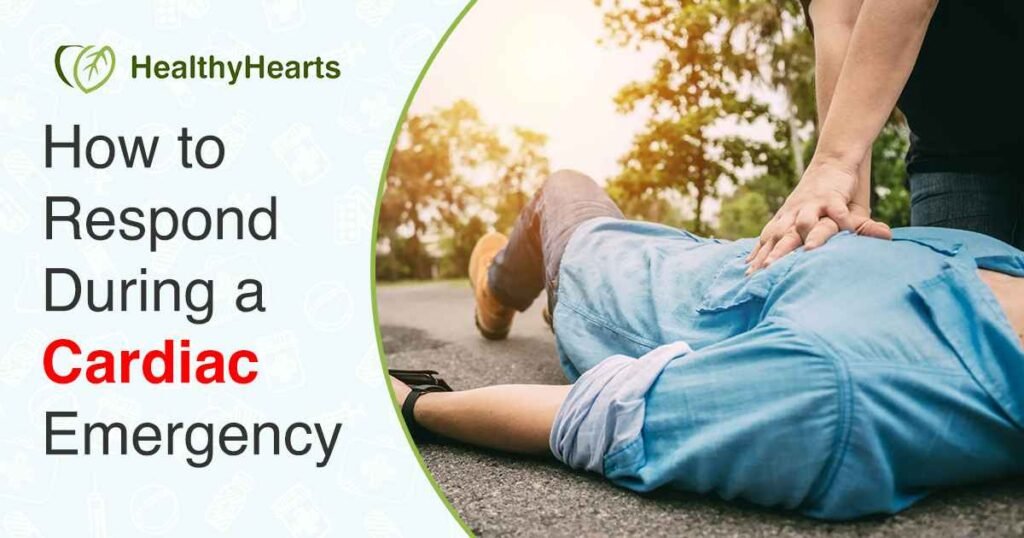
How to Respond During a Cardiac Emergency

When it comes to the health of our children and teenagers, concerns about heart issues might not be at Cardiac emergencies can happen unexpectedly, and knowing how to respond promptly and appropriately can make a significant difference in saving a life. Whether you are at home, at work, or in a public place, understanding the proper steps to take during a cardiac emergency can increase the chances of a positive outcome. When confronted with such a critical situation, it is vital to seek immediate medical attention from the best cardiologist in Gurgaon. We will provide you with a comprehensive guide on the necessary steps to take, ensuring you are equipped with the knowledge to respond effectively. Recognizing the Signs of a Cardiac Emergency Early recognition of cardiac distress is crucial for prompt action. Familiarize yourself with the common symptoms associated with a heart attack or sudden cardiac arrest: Taking Immediate Action When witnessing a person experiencing symptoms of a cardiac emergency, follow these steps: Step 1: Assess the Situation Remain calm and quickly assess the situation. Determine whether the person is responsive or unresponsive. If the person is unresponsive, they may have suffered a sudden cardiac arrest, and immediate action is required. Step 2: Call for Emergency Assistance In the event of a cardiac emergency, it is vital to dial the local emergency number immediately or instruct someone nearby to do so. Make sure to clearly communicate the nature of the situation, the person’s condition, and the precise location. Seeking immediate medical assistance from top cardiologists in Gurgaon can significantly improve the chances of a positive outcome. Remember, prompt action and effective communication are crucial in such critical situations. Step 3: Perform CPR (Cardiopulmonary Resuscitation). Moreover, if the person is unresponsive and not breathing or only gasping, initiate CPR. Remember the following steps: Step 4: Use an Automated External Defibrillator (AED). Use an AED as soon as possible if one is available. Follow the instructions provided with the device to administer a shock, if advised, and continue with CPR until help arrives. Additional Precautions and Tips In addition to the immediate actions mentioned above, here are some additional precautions and tips to consider: Be Prepared During an Emergency In the event of a cardiac emergency, being prepared to respond can make all the difference in saving someone’s life. It is crucial to maintain composure and quickly evaluate the situation. It is advisable to contact emergency services and seek assistance from a good cardiologist in Gurgaon. Performing CPR and, if available, utilising an automated external defibrillator (AED) can also be life-saving measures. While waiting for medical professionals to arrive, it is important to follow the precautions and tips mentioned above. By taking immediate and appropriate measures, you greatly enhance the likelihood of a favourable outcome in an emergency.
Uncategorized

Radiofrequency Ablation

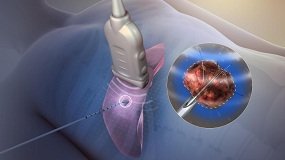
What is Radiofrequency ablation Radiofrequency ablation (RFA) is a minimally invasive procedure which includes treatment of part of the electrical conduction system of the heart, tumor or other dysfunctional tissue is using the heat generated through the electric current produced by a radio wave. The heat destroys the nerve fibers carrying pain signals to the brain. It can provide relief for people suffering from chronic pain mainly in the lower back, neck, arthritic joints and even cancer. Why is it performed Radiofrequency, as well as microwave ablation procedures, are effective treatment options for people who have difficulty with surgery or those who have tumors with a diameter of less than one and a half inches. The procedure uses heat to interrupt pain signals in spinal nerves. This efficacy of RFA is to treat chronic low back pain associated with lumbar facet joints, sacroiliac joints, low back pain, and the coccyx. Besides, RFA treatment is advisable for patients having varicose veins problem and venous insufficiency. Radiofrequency ablation can also treat cardiac arrhythmia and obstructive sleep apnea(OSA) along with bone, lung, liver and kidney tumors. The treatment uses image guidance to place a needle into a live tumor. High-frequency electric currents pass through an electrode in the needle creating a region of heat. Ablation can be used to treat more than one tumor at the same time. Risks involved Like any other medical procedure, there are certain risks involved in RFA which are listed as under:● Leg numbness: As an impact of local anesthesia, you might feel numbness in the leg which lasts for a few hours.● Discomfort in the back: This may occur once the local anesthesia wears off and usually lasts for a few hours. In case the discomfort persists, apply ice on the procedure day and moist heat the day after the procedure. In extreme cases, switch to pain relievers.● Paralysis: In rare cases, temporary or long-term paralysis can occur if too much electric current is passed on the nerves which run into the spinal cord.● Improper placement of a needle or incorrect use of electric current may cause weakness in muscles.● You may experience burning and hypersensitivity over the injection site.● Swelling and bruising occur at the incision site.● Since the skin is punctured, infection around the injection site may be possible.● Bleeding can occur inside the body.● There is a possibility of occurrence of motor deficits as they are related to nerve damage which occurs during the procedure. Physical therapy may help recover from the damage caused.● An allergic reaction to sedatives or other medications can be dangerous. Post-procedure experience After the procedure, you may experience a few days of discomfort around the incision site. The following points are advisable to achieve faster recovery:● Allow your body to rest at least for a couple of days following RFA.● Your doctor may prescribe anti-inflammatory medications to ease pain and swelling.● Cold compresses can also offer relief at the incision site.● Avoid taking a shower for two to three days after the procedure.● Avoid strenuous lifting or operating heavy machinery for a few days.

Uncategorized

The Truth About Good Cholesterol and Its Impact on Heart Health

When it comes to heart health, cholesterol is a topic that often surfaces in discussions. We have all heard about “good” and “bad” cholesterol, but what does it really mean? In this comprehensive article, we will delve into the truth about good cholesterol and its impact on heart health. So, sit back and let’s embark on a journey to better understand this essential aspect of our well-being. Cholesterol, a waxy, fat-like substance found in your body and certain foods, plays a crucial role in various bodily functions, including building cell membranes and producing hormones. Lipoproteins, of which there are two main types: low-density lipoprotein (LDL) and high-density lipoprotein (HDL), transport it through the bloodstream. If you’re seeking expert advice on heart health, consider consulting a heart specialist in Gurgaon. The Difference Between Good and Bad Cholesterol Because it can cause artery plaque to form and raise the risk of heart disease, LDL cholesterol is frequently referred to as “bad” cholesterol. On the other hand, good cholesterol is known as HDL cholesterol because it aids in the removal of LDL cholesterol from the arteries, lowering the risk of heart disease. The Impact of Good Cholesterol on Heart Health Maintaining optimal levels of HDL cholesterol is crucial for heart health. Here’s how good cholesterol positively impacts our cardiovascular system: HDL cholesterol acts as a protective shield for your heart. It scavenges excess LDL cholesterol from the arterial walls and transports it to the liver for excretion. This prevents the formation of arterial plaques and reduces the risk of atherosclerosis. Good cholesterol possesses anti-inflammatory properties that help combat inflammation in the blood vessels. By reducing inflammation, HDL cholesterol contributes to better arterial function and lowers the risk of heart attacks and strokes. HDL cholesterol demonstrates antioxidant capabilities, which means it can neutralize harmful free radicals in the bloodstream. This antioxidative action helps prevent oxidative stress, which is a significant factor in cardiovascular diseases. Good cholesterol also plays a role in preventing blood clot formation. It aids in maintaining the balance of clotting factors in the blood, reducing the chances of dangerous clot formation that can cause heart attacks and other cardiovascular events. Factors Affecting Good Cholesterol Levels Several lifestyle and genetic factors influence the levels of HDL cholesterol in our bodies. Understanding these factors can help us make informed decisions for better heart health. A diet high in trans and saturated fats can lower HDL cholesterol levels. On the other hand, a diet rich in unsaturated fats, fruits, vegetables, and whole grains can boost good cholesterol levels. Higher HDL cholesterol levels have been linked to regular physical activity. Engaging in exercises like aerobics, swimming, and running can significantly improve heart health by increasing good cholesterol. Obesity and being overweight can lower HDL cholesterol levels. Shedding excess weight through a balanced diet and exercise can lead to an increase in good cholesterol. Smoking and excessive alcohol consumption can lower HDL cholesterol levels. Quitting smoking and moderating alcohol intake can help raise good cholesterol and improve heart health. Your Heart’s Loyal Ally HDL cholesterol plays a vital role in maintaining heart health. Its ability to protect the arteries, combat inflammation, and prevent blood clot formation makes it an essential component of our cardiovascular well-being. For expert guidance on optimizing your HDL cholesterol levels and promoting a healthier heart, consult Dr. Monik Mehta, the best heart doctor in gurgaon. Remember, making healthy lifestyle choices, such as adopting a balanced diet, staying physically active, and avoiding harmful habits, can greatly influence your heart health and overall well-being.

Uncategorized

What causes your heart to age faster than your body?

It is important to consult a cardiologist doctor in Gurgaon who may suggest deep breathing exercises, yoga, or engaging in hobbies or activities that help you relax and unwind, including the heart. However, certain factors can contribute to the perception that the heart is ageing faster than the rest of the body. Lack of physical activity and a sedentary lifestyle can have a negative impact on heart health. Regular exercise helps keep the heart strong and efficient, improving cardiovascular function. Without exercise, the heart may experience a decline in its ability to pump blood effectively, leading to a perception of accelerated ageing. Unhealthy eating habits, such as consuming a diet high in saturated and trans fats, excessive salt, and processed foods, can contribute to heart disease risk factors like high cholesterol, high blood pressure, and obesity. These conditions can strain the heart and contribute to premature ageing. Chronic stress can take a toll on the heart and contribute to accelerated ageing. Prolonged periods of stress can lead to increased levels of stress hormones, such as cortisol, which can negatively affect the cardiovascular system. Chronic stress can also lead to unhealthy coping mechanisms like overeating, smoking, or excessive alcohol consumption, further impacting heart health. How can I make my heart younger? Lifestyle Factors Affecting Heart Ageing Impact of Unhealthy Lifestyle Habits on Heart Ageing Conclusion Several factors can contribute to the perception that the heart is ageing faster than the rest of the body. Unhealthy lifestyle choices, chronic stress, sedentary behaviour, genetics, and uncontrolled medical conditions can all accelerate the ageing process of the heart. However, by consulting a heart specialist hospital in Gurgaon and suggesting a heart-healthy lifestyle, managing stress, engaging in regular exercise, maintaining a balanced diet, avoiding tobacco and excessive alcohol consumption, and staying on top of chronic conditions, you can potentially slow down the ageing of your heart. Remember, taking proactive steps to prioritize heart health can lead to a stronger, healthier, and more youthful heart for years to come. Nurturing a healthy heart is vital for a vibrant life. While the heart ages naturally, certain factors can accelerate its ageing process. By adopting a heart-healthy lifestyle, managing stress, staying physically active, maintaining a balanced diet, avoiding harmful habits, and managing chronic conditions, you can minimize the gap between your heart’s age and the rest of your body. Take charge of your heart health today to ensure a youthful and resilient heart that supports your overall well-being.

Uncategorized

Essential Medical Tests for Diagnosing Cardiac Conditions

When it comes to diagnosing cardiac conditions, accurate and timely medical tests, as well as the expertise of a cardiologist in Gurgaon, play a crucial role. These tests help healthcare professionals, including cardiologists in Gurgaon, evaluate the structure and function of the heart, identify potential abnormalities, and determine the most appropriate treatment plan for patients. In this article, we will explore the essential medical tests used by cardiologists in Gurgaon for diagnosing cardiac conditions, providing valuable insights into their purpose and significance. Understanding the Importance of Cardiac Testing Cardiac testing allows healthcare professionals to assess the health of the heart and identify any potential issues that may be present. These tests provide valuable information about the structure, function, and overall condition of the heart, aiding in the accurate diagnosis of cardiac conditions. Early detection and diagnosis through these tests can significantly improve patient outcomes and help prevent serious complications. Electrocardiogram (ECG) An electrocardiogram, also known as an ECG, is a non-invasive test that records the electrical activity of the heart. It is a valuable tool in diagnosing various cardiac conditions, including arrhythmias, heart attacks, and heart rhythm abnormalities. By measuring the electrical impulses generated by the heart, an ECG can detect irregularities and abnormalities in the heart’s rhythm, providing valuable insights into the patient’s cardiac health. Echocardiogram An echocardiogram is a non-invasive imaging test that uses sound waves to create detailed images of the heart. This test allows healthcare professionals to visualize the heart’s structure and assess its pumping function. Echocardiograms are instrumental in diagnosing conditions such as heart valve abnormalities, congenital heart defects, and heart failure. They provide valuable information about the heart’s size, shape, and movement, helping doctors determine the most appropriate treatment options. Stress Test A stress test, also known as an exercise stress test, evaluates the heart’s performance during physical activity. It involves monitoring the heart’s electrical activity, blood pressure, and heart rate while the patient exercises on a treadmill or stationary bike. Stress tests help identify heart conditions that may not be noticeable at rest, such as coronary artery disease. This test provides vital information about the heart’s ability to handle increased stress and exercise, aiding in the diagnosis of cardiac conditions. Cardiac Catheterization Cardiac catheterization is an invasive procedure that involves inserting a thin tube called a catheter into a blood vessel leading to the heart. This test allows healthcare professionals to measure blood pressure within the heart, collect blood samples, and obtain detailed images of the coronary arteries using contrast dye. Cardiac catheterization helps diagnose conditions such as coronary artery disease, heart valve abnormalities, and congenital heart defects. It provides precise information about blood flow and any blockages that may be present. Cardiac MRI A cardiac MRI (magnetic resonance imaging) is a non-invasive test that uses powerful magnets and radio waves to create detailed images of the heart. It provides comprehensive information about the heart’s structure, function, and blood flow. Cardiac MRIs are particularly useful in diagnosing conditions such as heart Cardiac MRIs are particularly useful in diagnosing conditions such as heart muscle damage, heart tumours, and congenital heart abnormalities. This test provides highly detailed images of the heart, allowing healthcare professionals to accurately assess the heart’s function and identify any abnormalities or areas of concern. Holter Monitoring Holter monitoring is a test that involves wearing a portable device called a Holter monitor, which continuously records the heart’s electrical activity over a 24-hour period or longer. This test is particularly beneficial for diagnosing intermittent or sporadic cardiac conditions, such as arrhythmias. By monitoring the heart’s activity over an extended period, Holter monitoring provides valuable insights into the heart’s rhythm and detects any irregularities that may occur throughout the day. Nuclear stress test A nuclear stress test is a diagnostic procedure that evaluates blood flow to the heart muscle during rest and physical activity. This process involves injecting a small amount of radioactive material into the bloodstream and using a specialized camera to capture images of the heart. By comparing the images obtained at rest and during exercise, top cardiologists in Gurgaon and healthcare professionals can assess blood flow to the heart and identify any areas with reduced blood supply. Nuclear stress tests help diagnose conditions such as coronary artery disease and determine the effectiveness of treatments. Cardiac blood tests Cardiac blood tests, such as troponin levels and lipid profiles, are commonly performed to assess the heart’s health and identify potential cardiac conditions. Troponin levels help detect heart muscle damage, while lipid profiles measure cholesterol levels in the blood, which can be an indicator of heart disease risk. These blood tests provide valuable information that aids in diagnosing and monitoring various cardiac conditions, allowing healthcare professionals to provide appropriate interventions and treatments. Coronary Angiography Coronary angiography is an invasive procedure that uses a special dye and X-ray imaging to visualize the coronary arteries. It allows for the identification of blockages or narrowing in the arteries that supply blood to the heart. By pinpointing areas of reduced blood flow, coronary angiography aids in the diagnosis of coronary artery disease and guides subsequent treatment strategies, such as angioplasty or stenting. CT Scan A CT (computed tomography) scan of the heart is a non-invasive imaging test that provides detailed cross-sectional images of the heart and its surrounding structures. It is particularly useful in evaluating the presence of calcium deposits in the coronary arteries, determining the extent of plaque buildup, and assessing overall heart health. CT scans help diagnose conditions such as coronary artery disease and provide valuable information for treatment planning. PET Scan A PET (positron emission tomography) scan is a specialized imaging test that assesses the metabolic activity of the heart. It involves injecting a radioactive substance into the bloodstream, which is absorbed by the heart tissue. The scan detects the emitted radiation, creating detailed images that highlight areas of increased or decreased metabolic activity. PET scans are valuable in diagnosing conditions such as myocardial viability, assessing the effectiveness of treatments, and guiding decisions regarding interventions or surgeries.

Uncategorized

What an irregular heartbeat in endurance exercise could indicate

An irregular heartbeat during endurance activity, also known as exercise-induced arrhythmia, can be caused by a number of reasons. It’s important to see a Gurgaon heart specialist who can tell the difference between a normal physiological response to exercise and an unhealthy, irregular heartbeat. It is usual for the heart rate to vary and irregularities to occur during intensive activity. These anomalies usually resolve after the intensity of the activity is reduced or the body recovers. Dehydration or electrolyte imbalances, such as potassium, sodium, or calcium, can influence the electrical circuitry of the heart, resulting in irregular heartbeats during exercise. It is vital to maintain optimum hydration and electrolyte balance through adequate fluid intake and balanced eating. Excessive exhaustion or overtraining without enough rest can strain the cardiovascular system, resulting in irregular heartbeats during activity. To prevent straining past your limitations, it is critical to listen to your body, allow for adequate rest and recovery, and gradually increase exercise intensity. Caffeine and energy beverages, for example, can contribute to irregular heart rhythms. Furthermore, certain drugs or supplements may have adverse effects on cardiac rhythm. It is of the utmost importance to be mindful of any substances you eat and how they may affect your cardiovascular system. What does an irregular heartbeat indicate? Potential Causes and Considerations for Irregular Heartbeat What converts irregular heartbeats back to normal? The process of converting irregular heartbeats back to a normal rhythm is known as cardioversion. Cardioversion can be achieved through two methods: electrical cardioversion and chemical cardioversion. It’s important to note that cardioversion is performed under the guidance of a healthcare professional, such as a cardiologist. The specific method used and the decision to perform cardioversion will depend on factors such as the type of arrhythmia, the patient’s overall health, and any underlying conditions. The goal of cardioversion is to convert the irregular heartbeat back to a normal rhythm and improve the overall function of the heart. How do you fix an irregular heartbeat? Listening to Your Heart An irregular heartbeat during endurance exercise can be caused by a variety of circumstances, ranging from typical physiological reactions to underlying cardiac problems. While some anomalies are minor and transient, others may necessitate additional investigation and medical intervention. Consult the Best Heart Specialist(Cardiologist) in Gurgaon. Listen to your body, be aware of any associated symptoms, and consult a healthcare expert if you are concerned about the anomalies. Regular check-ups, enough hydration, a well-balanced diet, and gradual increases in exercise intensity can all aid in the maintenance of cardiovascular health during endurance activity. Experiencing an irregular heartbeat during endurance exercise can indicate various factors that range from normal physiological responses to underlying heart conditions. While some irregularities may be harmless and temporary, others may require further evaluation and medical attention.  It is important to listen to your body, pay attention to any accompanying symptoms, and consult a healthcare professional if you have concerns about the irregularities. Regular check-ups, proper hydration, balanced nutrition, and gradual increases in exercise intensity can help maintain cardiovascular health during endurance exercise. By understanding the potential implications of an irregular heartbeat, you can take appropriate steps to ensure your well-being and make informed decisions about your exercise routine.

Uncategorized

Strategies for Reversing the Clock on Heart Health

Always remember that maintaining a healthy heart is important for overall health. With the rise in sedentary lifestyles and poor dietary choices, heart diseases have become a leading cause of death worldwide. However, the good news is that it’s never too late to take control of your heart health and reverse the clock. In this post, we will discuss effective strategies that can help you improve your heart health and lead a longer, more vibrant life. By collaborating with a heart specialist doctor in Gurgaon, you can receive comprehensive assessments, accurate diagnoses, and tailored treatment plans. They will evaluate your risk factors, conduct necessary tests, and offer valuable insights into your heart health. Embrace a Heart-Healthy Diet: The foundation of a healthy heart starts with a balanced and nutritious diet. Incorporate foods that are rich in essential nutrients and antioxidants, such as fruits, vegetables, whole grains, lean proteins, and healthy fats. Aim to reduce the intake of saturated and trans fats, sodium, and added sugars, as they can contribute to heart disease. Stay Active and Exercise Regularly: Maintaining a healthy heart requires regular physical activity. Furthermore, engage in aerobic exercises like brisk walking, jogging, swimming, or cycling for at least 150 minutes per week. Additionally, include strength-training exercises to build muscle and improve overall cardiovascular fitness. Always remember to consult with a healthcare professional before starting any new exercise or routine. Maintain a Healthy Weight: Weight gain strains the heart and raises the chance of developing heart disease. Strive to achieve and maintain a healthy weight by combining a balanced diet with regular exercise. Monitor your caloric intake, focus on portion control, and avoid crash diets or extreme weight loss methods. Manage Stress Levels: Heart health can be negatively impacted by long-term stress. Include stress-reduction practices into your everyday routine, such as yoga, deep breathing exercises, meditation, or relaxing pastimes. Make time for enjoyable activities that will help you relax and priorities your own well-being. Quit Smoking: The major and most dangerous risk factor for heart disease is smoking. The best thing you can do for your heart health if you smoke is to stop. Seek support from friends, family, or healthcare professionals to develop a plan and find effective strategies to quit smoking. Limit Alcohol Consumption: While moderate alcohol consumption may have some cardiovascular benefits, excessive drinking can be detrimental to heart health. Although If you choose to drink alcohol, do so in moderation. For men, it is recommended to limit consumption to two drinks per day, and for women, one drink per day. Get Sufficient Sleep: Adequate sleep is essential for heart health. At least aim for 7-9 hours of quality sleep each night. Poor sleep quality or sleep deprivation can increase the risk of high blood pressure, obesity, and diabetes, all of which are risk factors for heart disease. Monitor Blood Pressure and Cholesterol Levels: Regularly check your blood pressure and cholesterol levels, as high readings can indicate an increased risk of heart disease. If you have elevated levels, it is essential to work with a good cardiologist in Gurgaon and develop a plan for managing and reducing them through lifestyle changes and, if necessary, medication. Stay Hydrated: Proper hydration is important for heart health. Drink a good amount of water throughout the day to maintain optimal hydration levels. Limit sugary drinks and opt for water, herbal teas, or infused water for added flavour. Seek Regular Medical Check-Ups: Regular check-ups with your healthcare provider are crucial for monitoring your heart health. They can identify any underlying conditions or risk factors and provide guidance on how to manage them effectively. Strategies for a Healthier Future Prioritize a heart-healthy diet, engage in regular exercise, manage stress levels, quit smoking, limit alcohol consumption, get sufficient sleep, monitor blood pressure and cholesterol levels, stay hydrated, and seek regular medical check-ups. By adopting these strategies, you can take significant steps towards reversing the clock on heart health. Remember that every person’s journey towards heart health is unique, and it’s important to consult with healthcare professionals for personalized advice and guidance. They can assess your specific risk factors, provide targeted recommendations, and support you in making positive changes. Additionally, it’s worth noting that these strategies, as advocated by renowned heart health expert Dr. Monik Mehta are not a one-time fix but rather a long-term commitment. Moreover, consistency and perseverance are key to achieving lasting results. Celebrate each milestone along the way, and don’t get discouraged by setbacks. Every small improvement adds up to a healthier heart and a better quality of life. In conclusion, taking control of your heart health is within your reach. Implement the strategies discussed in this article, make them a part of your lifestyle, and empower yourself to reverse the clock on heart health. By prioritizing your heart, you’re investing in your overall well-being and ensuring a longer, more vibrant life. Your heart will thank you for it

Uncategorized

How physical activity benefits cardiovascular health

Engaging in physical activity strengthens the heart muscle. When you exercise, your heart works harder to pump blood, leading to increased blood flow and improved circulation. Over time, this strengthens the heart, making it more efficient at pumping blood and reducing the risk of cardiovascular diseases. Regular physical activity helps lower blood pressure, especially for individuals with hypertension (high blood pressure). Exercise stimulates the arteries to dilate, reducing resistance to blood flow and subsequently lowering blood pressure levels. By maintaining a good life and going to the Best Heart Hospital in Gurgaon for a healthy blood pressure range, you decrease the risk of heart disease, stroke, and other cardiovascular complications. Regular physical activity plays a vital role in weight management. Exercise helps burn calories, increase metabolism, and build lean muscle mass. Maintaining a healthy weight reduces the strain on the cardiovascular system, lowering the risk of heart disease, type 2 diabetes, and other obesity-related conditions. Physical activity improves insulin sensitivity, allowing the body to better regulate blood sugar levels. It helps transport glucose into cells, where it is utilized for energy. By improving blood sugar control, physical activity helps prevent or manage type 2 diabetes, a condition closely linked to cardiovascular disease.  Benefits for cardiovascular health How stress reduction and mental well-being play a significant role Maintaining good cardiovascular health Seven benefits of cardiovascular exercise Physical activity is the key to a healthier heart Physical activity offers a multitude of benefits for cardiovascular health. By engaging in regular aerobic exercise, individuals can improve heart function, reduce the risk of cardiovascular diseases, manage weight effectively, enhance lung capacity, and experience increased energy levels. For this, we have to refer to a cardiologist in Gurgaon. Furthermore, physical activity aids in stress reduction, promotes mental well-being, and reduces the risk of chronic diseases. Embracing an active lifestyle and incorporating cardiovascular exercise into your routine can pave the way to a healthier heart and a more vibrant life. Start reaping the rewards of physical activity today for a stronger cardiovascular system and overall well-being. Physical activity is a powerful ally in promoting cardiovascular health. With its numerous benefits, including improved heart function, reduced risk of cardiovascular diseases, weight management, increased lung capacity, and enhanced overall fitness, physical activity is an essential component of a healthy lifestyle. By engaging in regular exercise and making it a priority, individuals can protect their heart health, boost energy levels, reduce stress, and improve their overall quality of life. So lace up your shoes, get moving, and take steps towards a healthier heart and a stronger cardiovascular system. Your body will thank you for it.

Uncategorized

Changes You Can Make Today to Lower Your High Blood Pressure

High blood pressure, also known as hypertension, is a common medical condition affecting millions worldwide. It occurs when the force of blood flowing through your arteries is consistently too high, putting extra strain on your heart and blood vessels. Health problems such as heart attack, stroke, and kidney failure can occur if hypertension is left untreated. However, there are several changes you can make today to lower your high blood pressure and reduce your risk of these complications. One of the first steps to managing your high blood pressure is to consult with a healthcare professional, such as the best heart doctor in Gurgaon, Dr. Monik Mehta. They can provide you with an accurate diagnosis and help you create a personalized treatment plan that meets your specific needs. In addition to medical interventions, you can make several lifestyle changes to improve your blood pressure readings and overall health. Reduce Your Blood Pressure With These Tips Make A Difference And Fight Back In conclusion, high blood pressure is a serious medical condition that requires proper management and treatment. By making some simple lifestyle changes, such as eating a healthy diet, getting regular exercise, managing stress levels, and limiting alcohol and tobacco use, your blood pressure can be lowered, thus reducing your risk of complications. If you’re struggling to manage your hypertension, seeking help from a qualified heart specialist hospital in Gurgaon is important. At Healthy Hearts, a team of experienced heart specialists can provide you with the expert care and support you need to improve your blood pressure readings and overall health. From diagnostic testing and medication management to lifestyle counseling and surgical interventions, we offer comprehensive services to help you achieve optimal cardiovascular health. Don’t wait to take control of your blood pressure; contact us today to schedule an appointment and take the first step towards a healthier, happier life.

Uncategorized

Is going to the gym necessary for everyone?

According to the latest World Health Organisation (WHO) estimates, 25% of people do not meet their weekly physical activity requirements of 150 minutes of moderate-intensity aerobic physical activity or 75 minutes of vigorous-intensity aerobic physical activity. Physical activity has a variety of benefits, including stress reduction, anxiety reduction, depression reduction, diabetes mellitus and heart disease risk reduction, and blood pressure regulation. According to research, even a tiny amount of physical activity can have a significant impact on your life. The greatest benefit comes from switching from inactivity to 30 minutes of walking every day. Exercise is also beneficial in people who have pre-existing medical conditions such as coronary artery disease, high blood pressure, irregular pulse problems (known as atrial fibrillation), and diabetes mellitus. However, one important caveat is that before beginning any exercise programme, you should always consult your family doctor or cardiologist doctor in Gurgaon, especially if you have preexisting diseases. However going to the gym is not necessarily necessary for everyone, as different people have different fitness goals, preferences, and lifestyles. While going to the gym can be an effective way to improve physical fitness, it is not the only way to do so. There are many other forms of exercise that can be just as effective, such as outdoor activities like running, cycling, hiking, and swimming, as well as home workouts using bodyweight exercises, resistance bands, or small weights. Ultimately, the key is to find a form of physical activity that you enjoy and can stick to over time, regardless of whether it involves going to the gym or not. If you have any questions on this topic do contact us or message us. 

Scroll to Top