Healthy Heart Gurgaon

Uncategorized

Uncategorized

COVID-19 and Heart Patients (Q&A)

In light of the current COVID-19 pandemic situation, we understand that it is a scary time for you if you have an existing heart condition. Here is some crucial information regarding the effects of corona and cardiovascular diseases. Q1. I have had a stroke before or have a heart condition, am I at increased risk of coronavirus?No, people with heart conditions or diabetes are at no greater risk of getting the infection than anyone else. It’s only that their symptoms may be more or the infection may take a more severe course. Q2. I have a heart condition and am feeling fine and following all the instructions of my cardiologist. I am now due for my routine follow-up visit. Should I go to the hospital?No, if you are feeling fine and following all the instructions as mentioned in the prescription given to you by your cardiologist during your last visit with him/her, then it’s better to defer your hospital visit till the Corona pandemic settles down. It is suggested to contact your treating cardiologist, by email/message or teleconsultation, and then he may be able to guide you whether to continue the same medications or if your hospital OPD visit is a must. Q3. I have a heart condition; will I be at increased risk of severe illness or complications once infected?A person over 65 years of age with coronary heart disease may develop more severe symptoms and complications. Remember corona has similarities to influenza, only there’s no vaccine against it. It mainly attacks the lungs and could put pressure on the heart. Also, people with heart conditions have weaker immune responses when exposed to viruses and therefore extra care is advised for them. Q4. Are patients with high pressure or diabetes at high risk?In general people with high BP or diabetes are not at risk, unless you have uncontrolled diabetes. The important note is to take your medications regularly to keep your BP and diabetes in control and contact your doctor even if you are mildly symptomatic. Also, it is important to control BP and diabetes by avoiding smoking, alcohol consumption, and following a healthy diet. Q5. What about people with Brugada syndrome?If you have Brugada syndrome, your heart condition may affect what treatment for Covid-19. It is vital to avoid a very high-temperature condition by taking paracetamol or using cold wet cotton strips. Q6. I have atrial fibrillation, am I at high risk?If you have well-controlled atrial fibrillation, then you are not at any additional risk. Nevertheless, you must take all precautions against COVID-19 because if there are any associated issues e.g older age or other medical problems like diabetes or heart failure then chances of having more severe diseases are there so take extra care and precautions. Q7. Is the mortality rate high in people with heart disease?As per data, older people with or without heart conditions are at higher risk of death. Having a heart condition doesn’t mean you are at high risk but you could be critically affected. Here are some important steps to follow: Social distancing : very crucial, especially to avoid sick people. Avoid public places, crowds, transports, and even routine visits to the hospital.Personal hygiene : wash your hands frequently with soap for at least 20 sec. The use of alcohol-based sanitizers is recommended. Avoid touching your eyes, nose, and mouth. Stay at home as much as possible.
Uncategorized

Workout Miracles!! How does it affect your heart

Well, it’s a no brainer. Everyone knows what workout is “act of being active” and what kind of miracles it can do to one’s body. But, hey, hey, maybe you are right about wonders of workout on your body, but you are getting it all wrong about what workout means actually. Let us guide you with the actual meaning of workout in this blog with our no brainer knowledge but a little bit of research about miracles of workout. Well, it’s not just you; most of the people think exercise and workout are only two interchangeable words, and there’s no difference between them. But here you’re mistaken, workout and exercise are not the same thing although they are related but not the same. Exercise is more of a general term that we use for any single physical activity. It could be running, cycling, walking, dancing, pushups, etc. On the other hand, a workout is a unique set of exercises in which we combine a collection of different activities to achieve a particular goal. Most people opt-in for a workout to lose weight. Let us make you understand it more briefly. Exercise is one single activity, but the workout is the set of multiple events. Exercise can be anything that involves any physical activity like playing, running, walking, and one can do exercise anywhere, indoor or outdoor. But usually, a workout is a routine executed by the gym-goers. The workout is more intense, which helps you boost your stamina. On the other hand, exercise is more casual, which allows you to stay generally fit. Also, workout requires specific equipment to get the best results, but that’s not the case with exercising. According to cardiologists moderate exercise do more good to your overall health and heart than highly intense workouts, which may not be that beneficial as you think. At the end of the day, it doesn’t matter what you are calling your physical activities; we mean who cares. What matters is what you are achieving with them or want to make out of it. If your main focus is fast weight reduction or boosting your stamina tremendously than workout is your go-go. But if you wish to maintain your health in general and want to maintain an average strength then don’t worry much you can do regular physical activities like walking, cycling, running and keep your health upto the mark. How Regular Exercise Helps your Body & Your Heart There are zillion explanations, research, and study of how regular physical activities or exercising are beneficial for one’s health or workout miracles. One of the most known benefits of regular exercise is burning calories, which ultimately helps an individual to maintain a healthy weight or to achieve the desired weight. But the miracles of daily workout is not only limited to maintaining a healthy weight, but it also improves other severe factors which are related to achieving overall good health. And those factors are improving blood sugar regulation, strengthens the heart’s arteries, healthier blood pressure, improves cardiovascular health, and a more healthy cholesterol level. Physical activities obviously can do wonders to your physical appearance or physique like improving your sex life, trimming your waistline, and even add few more years to your life. But these are not the motivational factors for most people to stay active. Most people work out very frequently because it gives them a sense of well being, helps in sleeping better, helps to feel more energetic and relaxing. The impact of regular workout, in the long run, can be seen more on mental health than physical health. The way daily exercise helps with physical health, it also helps with mental health like Depression, Anxiety, Stress, Post Traumatic Stress Disorder (PTSD), Attention Deficit Hyperactivity Disorder (ADHD). Regular physical activities, even for half an hour, are not only beneficial for your overall body but your heart and mind too. Below are the following benefits. Benefits To Your Heart Apart from above mentioned benefits there are few more benefits mentioned below: Benefits To Your Overall Body Apart from above mentioned benefits there are few more benefits mentioned below: Why Can Regular Workout be Bad? Workout helped a lot of people in improvising their lifestyles, achieving a healthier and better life. Regular exercise is an excellent habit if anyone can stick to it. But like all other things, excessive of anything is harmful to health, so does extreme workout. Yes, it is true that regular exercise reduces stress, makes you feel more active, but excessive exercise can do the opposite of relaxation. Earlier, we introduced you to workout miracles, but now we also want to share the dark side of physical activities with you all. Below are the few reasons why excessive workout can be bad for you. Myths And Facts about Working Out: Myth: Sweat will eliminate toxins from your body Fact: Well, throwing out toxins from our body is our kidneys and liver’s job to do. Kidney and liver remove far more toxins from our bodies than any other gland can. And sweating certainly doesn’t remove toxins from our body. When the body gets too hot, it releases water that’s sweating. Water on the skin evaporates by leaving a cool sensation. Sweat contains 99% water. Sweating is a natural phenomenon to cool down your body. Sweating dehydrates your body, which means to hydrate it again. So we sweat, to regulate our body temperature. Myth: Working Out On Empty Stomach Helps Weight Loss Fact: It is partially correct. The reason behind this is blood sugar levels, and glucose gets low on an empty stomach due to which our body doesn’t have the energy to work out. On an empty stomach, our body turns to the fat of our body as a source of energy. If energy from a second source diminishes then, it will turn to the third source of energy, which is muscle. Because of this very reason, it is not recommended to workout on an empty stomach, but this is not a quick process.

Uncategorized

Valve replacement – Risks, Precautions, Process and Tips

Your heart is not just an expression of romance; it is one of the most vital organs in your body. Your heart plays a fundamental role in the circulation of blood and nutrients to the other organs of the body and keeping them all alive and functional. The valves in the heart are also as crucial as the organ itself. The primary purpose of the pipes is to allow blood flow through the heart chambers. Once the blood enriched with nutrients steers in the chamber, the valve closes complete. However, if your pipes become weak and cannot close completely, it causes the blood to surge rearward. This condition is called regurgitation and can cause a significant malfunction. Valve replacement is the solution to a valve that damages beyond repair. That is why today we, healthy hearts Gurgaon came up with this blog The valve replacement is a surgical process in which your doctor replaces the damaged valve by a healthy and properly functioning mechanical or biologic valve. The healthy heart clinic in Gurgaon provides exceptional guidance on heart health and best-quality treatment for heart issues. Under the leadership of Dr(Col). Monik Mehta, the clinic offers comprehensive care address all your cardiac needs. Dr. Mehta is highly qualified and has over 30 years of experience, including 20 years of serving to the Indian Army. His expertise, along with the state-of-the-art equipment and highly skilled support staff, ensures a pleasant experience for you. Risks associated with the surgery The risks involved in valve replacement surgery are subjective and may vary in different cases. Major factors the chances depend on are your valve condition and overall health, the expertise of the practitioner, and the type of procedure that is needed to perform. Here are some risks involved in the process. If you experience chest pain or dizziness, pain, swelling, or pus at the wound, high fever, or shortness of breath, you should immediately contact your doctor for consultation. Often the surgery is performed under the supervision of multi-disciplinary experts to minimize the risk. The experience of the surgeon and the number of cases the clinic handles contribute to their proficiency and can potentially reduce the uncertainty during and post-surgery. Precautions you can take to ensure safe and successful valve replacement While your doctor will do his/her best to ensure the success and real accomplishment of the valve replacement, you can also contribute by taking the necessary precautions. The precautions are needed to be considered both before and after the surgery to avoid any complications. The procedure The valve replacement surgery can be of three types depending on the valve that is needed to replace. The procedure for any valve replacement is an open-heart surgery that is two to four hours long. A typical process involves the following steps. Your surgeon may also suggest and perform minimal invasion surgery. It requires a smaller opening in the chest, and the breast-bone may or may not be slit. Tips for living after valve replacement Recovering and living after the surgery would need some lifestyle changes. The following tips will accelerate recovery, minimize the risk of complications, and keep your heart healthy. Join a community if possible for support and guidance for heart care Follow your doctor’s instructions. It would take four to eight weeks to recover completely. It would be best if you took care of your wound to avoid infections Eat a healthy-heart diet Take your medicines regularly Make exercise routine only after consulting with your doctor and follow it habitually Stay in contact with your doctor

Uncategorized

Having an afternoon nap can lower your risk of heart attack

Heart Attack A Heart attack happens when the progression of blood to the heart is blocked. The blockage is regularly a development of fat, cholesterol, and different substances, which structure a plaque in the veins that feed the soul (coronary courses). The plaque, in the end, splits away and structures coagulation. The intruded on the bloodstream can harm or crush some portion of the heart muscle. A Heart attack, also called myocardial localized necrosis, can be deadly, yet treatment has improved drastically throughout the years. It’s critical to call crisis therapeutic assistance on the off chance that you figure you may be having a Heart attack. That is why today, Healthyheartsgurgaon is discussing it. Symptoms: Typical Heart attack signs and manifestations include: Chest pain or weight (Angina) that is activated by effort and alleviated by rest, Angina is brought about by a brief, lessening in the bloodstream to the heart. Some coronary failures strike all of a sudden, however numerous individuals have cautioning signs and indications hours, days, or weeks ahead of time. The most reliable admonition may be intermittent chest torment or weight (Angina) that is activated by effort and assuaged by rest. Angina is brought about by a transitory reduction in the bloodstream to the heart. Heart attack symptoms in men Heart disease is the primary source of death for men in the United States. However, on account of numerous new life-sparing medications, coronary failures don’t need to be lethal – – here and there, they don’t back you off something over the top. Try to know the signs and get help immediately. Chest Pain: This is the most widely recognized side effect of a Heart attack in the two people. Regularly, it begins gradually with mellow torment or distress. Chest Discomfort or Pressure: The torment can be extreme; however, it doesn’t need to be. It very well may be an inclination of “completion,” crushing, or weight. It can even be confused with acid reflux. The uneasiness frequently occurs in the left or focal point of your chest. The inclination may keep going for over a few minutes, or it might travel every which way. Heart attack symptoms in women Women don’t generally get a similar exemplary Heart attack side effects as men, for example, pounding chest torment that emanates down one arm. Those Heart attack side effects can positively happen to women, yet many experience dubious or even “quiet” indications that they may miss. These Heart attack symptoms are primary in women: Reasons for heart attack A Heart attack happens when at least one of your coronary courses become blocked. After some time, a coronary corridor can limit the development of different substances, including cholesterol (atherosclerosis). This condition, known as coronary course illness, causes most Heart attacks. During a Heart attack, one of these plaques can break and spill cholesterol and different substances into the circulation system — a blood coagulation structures at the site of the break. On the off chance that enormous enough, the coagulation can obstruct the progression of blood through the coronary conduit, keeping the heart muscle from oxygen and supplements (ischemia). That is why people take advice for cardiac rehabilitation. Another reason for a Heart attack is a fit of a coronary vein that closes down the bloodstream to part of the heart muscle. Utilizing tobacco and unlawful medications, for example, cocaine, can cause a dangerous fit. Treatment Heart attack treatment at an emergency clinic Every moment after a Heart attack, more heart tissue falls apart or kicks the bucket. Re-establishing bloodstream rapidly averts heart harm. Drugs given to treat a Heart attack may include: Careful and different methodology Notwithstanding prescriptions, you may have one of these methods to treat your Heart attack: Most emergency clinics offer projects that may begin while you’re in the medical clinic and proceed for quite a long time to two or three months after you come back. Cardiovascular restoration programs by and large spotlight on four primary zones — drugs, way of life changes, serious subject matters, and a continuous come back to your ordinary exercises. First aid Having an afternoon nap can lower your risk of a Heart attack While experts found no association between length of snoozes and heart or scattering issues, they found that 1 or 2 rests may lessen threats, anyway having multiple or two rests didn’t diminish possibility. An examination finished in Switzerland found that people who had 1 or 2 evening snooze seven days were increasingly unwilling to have a coronary scene or stroke, differentiated, and people who didn’t rest. Nevertheless, having numerous snoozes, seven days was not associated with any benefit. In the instance of resting during the daytime is sound or unwanted is undefined. Some past examinations found a lessened threat of heart and course issues, while others found a greater danger. This examination of 3,462 Swiss adults intended to see whether the amount of rests seven days and the time allocation spent snoozing, could explain the conflicting results.

Uncategorized

How to Take Care of Your Heart’s Health?

Cardiovascular diseases (cvds) are the world’s leading reason of mortality, accounting for one out of every three fatalities. Cardiovascular problems also are the main motive of mortality within the Philippines, with an anticipated 50,000 humans dying every year. The life of an aggregate of hazard factors, together with cigarette use, an unhealthy diet and obesity, physical inactivity and alcohol use, hypertension, diabetes, and an excessive cholesterol stage, is typically the purpose of heart assaults and strokes. It’s never too late to start making healthy lifestyle choices for your healthy hearts. To get started, consider the following steps to take care of your Healthy Hearts. Consume a healthy-heart diet: A healthy hearts diet contains a range of foods such as fruits, vegetables, whole grains, legumes, and nuts. Reduce your intake of salty meats like ham, bacon, tocino, sausage, and hotdogs, as well as salty foods like dried fish. Season your cuisine with calamansi juice and vinegar instead of high-sodium condiments like soy sauce, fish sauce, bagoong, and ketchup. Consume as little processed, canned, and quick food as possible. Sweet snacks such as doughnuts, cookies, and the like should be replaced with fresh fruit and vegetables, and if thirsty, sweetened beverage sodas and sweetened juices should be replaced with water. Lose weight if you’re overweight: A body mass index (BMI) of 25 or extra is taken into consideration for obese or overweight. Then again, central weight problems also refer as adiposity, are defined as a waist circumference of greater than 80 cm for ladies and extra than 90 cm for men. A big waist circumference indicates more intra-abdominal fat and is connected to an extended hazard of cardiovascular sickness. Reduce your daily calorie intake by 500 calories, which will result in an average weight reduction of the half to practically one kilogram per week. Increase your weekly physical exercise to at least 2.5 hours: Physical exercise aids in the law of blood stress, LDL cholesterol, and other blood lipids, as well as weight reduction. It is preferable to engage in some physical exercise than to engage in none at all. Inactive persons can begin with minimal amounts of physical exercise and progressively increase the duration, frequency, and intensity of their workouts. Adults should engage in at least 150 minutes of moderate physical activity each week. Tobacco should be avoided: Tobacco usage and second-hand smoke exposure are both detrimental to your heart. Quitting smoking is the greatest present you can give your heart in terms of immediate and long-term health advantages, including the ability to live up to ten years longer. After a year of not smoking, the risk of developing heart disease is around half that of a smoker. The risk of heart disease is the same 15 years after stopping as it is for a non-smoker. Avoid drinking alcohol: Alcohol intake has associate with over 200 illnesses and injury problems, including cardiovascular disease. While most Filipinos report drinking alcohol only on occasion, binge drinking is frequent in the nation. Because there is no such thing as a safe amount of alcohol consumption. It is best to avoid it entirely in order to protect your heart. Test your blood stress and blood sugar ranges on a regular basis: A health professional’s regular blood pressure and blood sugar tests are a vital element of keeping a healthy heart. Even if you have high blood pressure, you may not be aware of any signs that might be harmful to your heart. If you have behavioral risks (unhealthy food, physical inactivity, cigarette and alcohol use), talk to your health care provider. So they can help you plan the lifestyle changes You want to get your heart health lower back on target. If you’ve diagnose with hypertension or diabetes, paintings together with your doctor to develop desires and take your medications on an everyday basis. Participate in your search for a healthier heart with your family and friends. Try not to defer your consideration: Our best cardiologists in Gurgaon are prepared to really take a look at your heart’s wellbeing, oversee early coronary illness, or keep sickness from creating. Planning a face-to-face or video arrangement is simple for new and existing patients.

Uncategorized

All About Coronavirus And its effect on heart

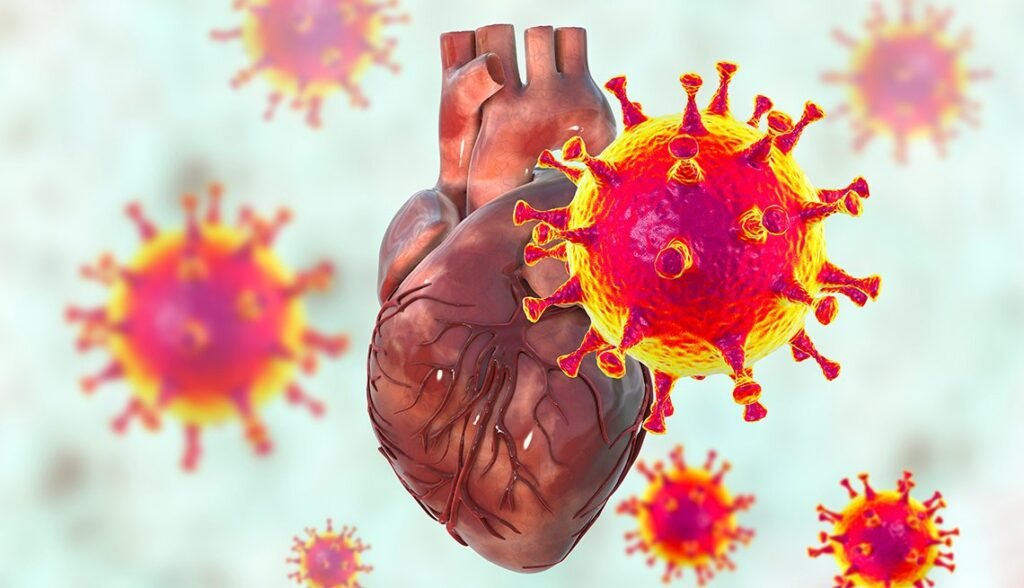
‘Corona’ refers to a Latin or Greek term referring to a crown. Coronavirus is a group of viruses that cause illness in mammals, humans and birds. This virus leads to serious respiratory tract infections like breathlessness in common . Mild respiratory problems include common cold while more severe conditions can be SARS, MERS, and COVID-19. In chickens, the virus causes the upper respiratory tract. And in cows and pigs this virus causes diarrhea. Coronavirus first occurred in Wuhan, Hubei province, China in December 2019. The World Health Organization (WHO) recognized the outbreak as a pandemic on March 11, 2020. The International Emergency of International Concern was declared in January. Around 1.38 million COVID-19 cases have been reported to date resulting in 78,200 deaths. Also, 2,92,000 people have recovered. Symptoms of Coronavirus infection People who experience virus infection may experience the symptoms between two to 14 days after exposure. In some cases, no symptoms might occur at all. Old age people or individuals with a weak immune system and persons suffering from chronic medical conditions namely heart or lung-related diseases or diabetes are at high risk of infection. The signs of COVID-19 include: The risk factors for severe COVID-19 infection are: Causes Humans firstly got affected by coronavirus due to contact with animals. Besides, the virus transmits from one person to another just by touching. COVID-19 virus can be spread through contact with certain body fluids such as cough droplets. It can also be caused in case of touching an infected person and then touching a hand to mouth, nose or eyes. Myth Busters Certain myths are prevailing for the pandemic which includes: Impact of COVID-19 on Human Heart The coronavirus not only affects our respiratory system but also this pandemic has a drastic effect on the heart called SARS-CoV-2. The infection can lead to improper functioning of the heart. Individuals with cardiovascular disease are at high risk of severe complications in the respiratory tract. Cardiologists say abnormal heart rhythms or arrhythmias might occur as a consequence of the effect of medications that are used to treat the COVID-19 virus. Heart failure occurs due to a systemic inflammatory response to the infection, lung damage leading to heart inflammation known as myocarditis. In the case of old age people who are suffering from existing coronary artery disease or hypertension, heart failure may occur due to the body’s decreased cardiac reserve capacity. However, in young people, the coronavirus may cause primary myocarditis. Patients with a cardiac arrest can avoid the risk of COVID-19 infection by practicing social distancing. It is observed that providing influenza vaccination to all cardiac patients can decrease the risk of COVID-19 death by 18%. Therefore, vaccination in cardiac patients is a must. Preventive Measures Prevention is better than cure. So, while the world waits for the vaccines and medications to fight COVID-19, it is important to slow down the spread of the coronavirus. Staying at home and self-isolated is the best way to overcome the spread of this contagious and deadly disease. As per the recommendations of local health departments and personal physicians, followings are the measures to be adopted to avoid getting trapped by the deadly infection of COVID-19: Certain other points that should be kept in mind to maintain hygiene are: Cleaning Phones and Laptops Cleaning Hand Towels Avoid Touching Face Use Hygiene Washrooms Avoid Travelling

Uncategorized

Cardiac Ablation

There are a number of reasons for suffering from heart rhythm problems. They can be treated as well cured with the procedure of Cardiac Ablation in Gurgaon. What the Best Cardiac Ablation basically does is make tiny scars in your heart tissue. This procedure can also be referred to as arrhythmias. The problem behind this health complication is some tissues in your heart that are unwanted and hence causes heart rhythmic problems. In the process of curing the same, these tissues are destroyed to get back the regular rhythm of your heart. The Cardiac Ablation Treatment also does not allow abnormal signals to enter your heart. In other words, Cardiac ablation is a procedure that can correct rhythmic problems in the heart termed as arrhythmias. It works by destroying tissues in the center that triggers or sustains an abnormal heart rhythm. It can also prevent abnormal electrical signals from entering the heart and, thus, stops the arrhythmia, in some cases. Cardiac ablation usually uses long, flexible tubes called catheters, which are inserted through a vein or artery in the groin and positioned to the heart to deliver energy in the form of heat or extreme cold to modify the tissues in the heart that causes arrhythmia.Cardiac ablation uses catheters, which makes the procedure less invasive and shortens the recovery times, but sometimes it’s done through open-heart surgery. Types: There are two main types: Other Types of Cardiac Ablation: Atrial flutter ablation is to make a scar on the tissue that is present in the upper right corner of the heart. This is done to stop the electric signals entering that region which is the cause of rhythmic problems and Abnormal Heart Problems. This happens when there are electronic signals that provoke the upper chambers of the heart to beat at a faster rate. Thus, these electric signals are blocked to get a heartbeat at a regular rate.In the case of Pulmonary Vein Isolation, the scars are made in the tissues of the upper left corner of your heart. This procedure helps in bringing down the signs as well as the symptoms of atrial fibrillation. When this is done, there is also a positive effect and regulation in the rhythmic problems in the upper chambers of your heart.The process of SVT Ablation is done to bring down the faster rhythmic problems back to normal. This has opted for the last option when the other treatment options do not work. The benefits and risks involved in the same can be discussed with the top cardiologist. SVT ablation is also a good option for the children having the same problem and for those who have not responded to the other health treatments. To eliminate the cause of excessive electric signals, the process of Ventricular tachycardia ablation opts. It is done in case of Abnormal Heart Problems and rhythmic problems in the lower chamber of your heart. This is never the first treatment option offered at the best heart hospital. This should be performed under the best heart specialist for the best outcomes. Who Need Cardiac Ablation The Best Cardiac Ablation treatment should be opted by the people who have tried to cure it by taking medication but fail to bring heart rhythm to the normal. The problems like a sudden cardiac arrest can also be cured by cardiac Ablation Treatment. One can also go for Cardiac Ablation Treatment when the medications they are taking to cure the same are not effective and are rather causing a number of side effects as well. If Cardiac Ablation Treatment is performed by experts, then the procedure is safe to perform and involves lower risk and a high success rate. Also, the Best Cardiac Ablation does not take a lot of time to get completed. Mostly, cardiac ablation is done within 2-4 hours and Abnormal Heart Problems are cured.If this problem is not treated soon, then the heart will not be able to pump the blood properly and you may suffer from Abnormal Heart Problems. This will result in fainting and a number of other health-related problems. Once you are done with the Best Cardiac Ablation, then you can get back to the work after 3-4 days and can slowly begin your daily routine activities. However, there are some precautions that need to be taken which will be told by the best cardiologist. Why we do it Ablation is not generally a first treatment option. It is a treatment option for people who: Risks Cardiac ablation involves a risk of complications which your doctor might tell you, including: The risks and benefits of cardiac ablation can be discussed with your doctor to understand if this procedure is right for you. To keep your heart healthy, some lifestyle changes may be needed that improve the overall health of your heart, mainly to prevent or treat conditions that can cause or worsen arrhythmias, such as hypertension. Your doctor may suggest the following: Manage strong emotions, such as extreme sadness, happiness or anger Less salt usage in diet, which can help lower blood pressure Increased physical activity Quit smoking Avoid consuming alcohol Include heart-healthy foods in the diet Maintain a healthy weight to control BMI

Uncategorized

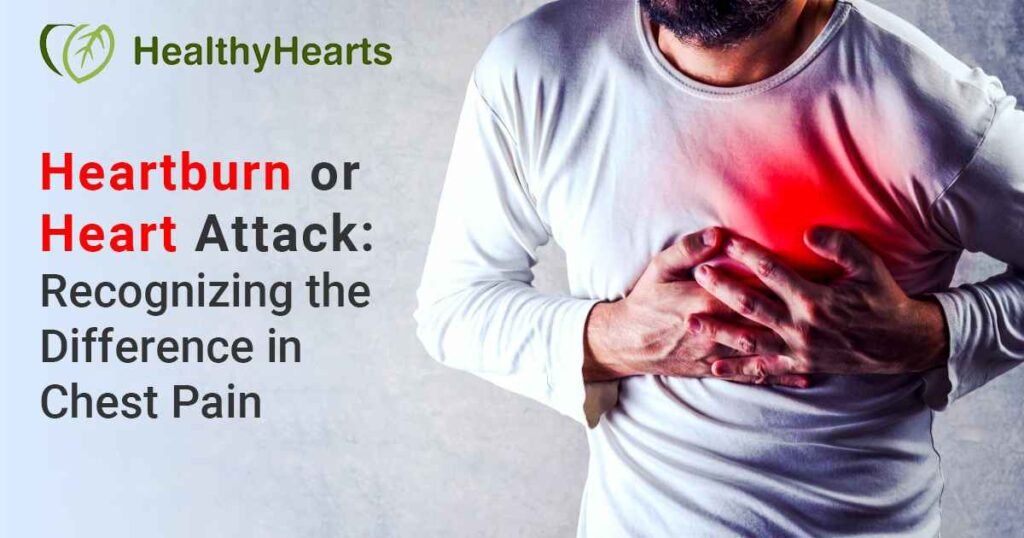
Heartburn or Heart Attack Recognizing the Difference in Chest Pain

When it comes to chest pain, it’s essential to understand the key differences between heartburn and a heart attack. Experiencing discomfort in the chest can be alarming, but being able to recognize the distinction between these two conditions can make a crucial difference in seeking appropriate medical care. If you reside in Gurgaon and require expert advice, consulting a qualified cardiologist in Gurgaon specializing in heart health is highly recommended. In this blog post, we will explore the characteristics of heartburn and heart attacks, shedding light on identifying and differentiating between the two and ensuring timely intervention and appropriate treatment. Heartburn Symptoms Heartburn is often triggered by certain factors, including: Heart-Attack Symptoms Common symptoms of a heart attack include: Difference Between Heartburn and Heart-Attack To accurately differentiate between heartburn and a heart attack, it is recommended to consider the following factors: Get Medical Attention Right Away If You Recognize The Signs Recognizing the difference between heartburn and a heart attack is crucial when experiencing chest pain. It’s possible to manage heartburn with lifestyle changes and over-the-counter medications, but it’s critical to seek medical attention immediately if you suspect you are having a heart attack. If you reside in Gurgaon and seek the expertise of a qualified cardiologist, finding a good cardiologist in Gurgaon is essential for accurate diagnosis and proper treatment. At Healthy Hearts Hospital in Gurgaon, you can trust the exceptional care provided by Dr. Monik Mehta, a renowned cardiologist. With extensive experience and expertise in cardiac health, Dr. Mehta is dedicated to ensuring the well-being of his patients.

Scroll to Top